There’s a new breakfast hero making waves across social media and in kitchens worldwide: Scrambled Eggs with Cottage Cheese. If you’ve scrolled through TikTok lately, chances are you’ve seen this viral TikTok egg recipe lauded for its incredible texture and nutritional punch. Forget everything you thought you knew about scrambled eggs; this simple addition transforms them into something truly extraordinary.
This isn’t just another fad; it’s a game-changer. Adding cottage cheese elevates your breakfast to a whole new level of indulgence and health. Imagine eggs that are unbelievably soft, consistently creamy, and boast a substantial protein boost—often reaching 20g or more per serving. It’s the ultimate secret to achieving that coveted fluffy scrambled eggs secret without needing milk or cream.
Many worry about adding moisture to eggs, fearing a watery, unappetizing scramble. But here’s the magic: cottage cheese, when cooked correctly, doesn’t make your eggs wet. Instead, its curds melt seamlessly, releasing just enough moisture and richness to create an unparalleled creamy consistency. Get ready to ditch your old methods and embrace this deliciously healthy and utterly satisfying high protein breakfast recipe.
Why Add Cottage Cheese to Scrambled Eggs?
The Protein Powerhouse
In the quest for a satisfying morning meal that fuels your day, protein reigns supreme. While eggs are already a fantastic source of protein, incorporating cottage cheese amplifies this benefit dramatically. A large egg typically offers around 6 grams of protein. Adding just a half-cup of cottage cheese can tack on an additional 12-14 grams, bringing your total protein per serving for these Scrambled Eggs with Cottage Cheese well over 20 grams.
This substantial scrambled eggs protein boost isn’t just about hitting a number; it’s about sustained energy and satiety. Whether you’re looking for ideal post-workout meals to aid muscle recovery or simply aiming to stay full and focused until lunch, this breakfast delivers. It’s an excellent choice for anyone prioritizing a healthy vegetarian breakfast or exploring low carb breakfast ideas, ensuring you start your day feeling nourished and energized.
Texture Transformation
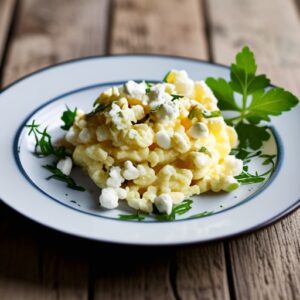
Beyond its impressive nutritional profile, the true revelation of adding cottage cheese to your morning routine lies in the unparalleled texture it imparts to your Scrambled Eggs with Cottage Cheese. If you’ve ever dreamt of achieving those perfect, soft, almost custard-like scrambled eggs often seen in high-end brunch spots, cottage cheese is your answer. As the curds gently heat, they slowly melt and integrate into the eggs, creating incredibly soft, pillowy mounds. This results in a truly luxurious, creamy scrambled eggs without milk or any extra dairy beyond the cheese itself.
The science behind this fluffy scrambled eggs secret is fascinating. Unlike adding milk or water, which can dilute the egg mixture and sometimes lead to a tougher or rubbery texture, cottage cheese brings a unique combination of protein and lactic acid. As it melts, the casein protein in the cottage cheese denatures and binds with the egg proteins, creating a remarkably tender and cohesive scramble. This process mimics the slow-cooking, folding technique used to create classic French-style eggs, yielding an incredibly rich and uniform creaminess that will make this dish a permanent fixture in your breakfast rotation.
Ingredients & Substitutions
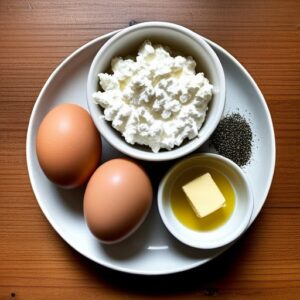
Creating the perfect plate of Scrambled Eggs with Cottage Cheese starts with quality ingredients. Here’s what you’ll need:
- Eggs: Always opt for fresh, high-quality eggs if possible. Pasture-raised or free-range eggs often boast richer yolks, better flavor, and a more vibrant color, which will translate directly into a superior scramble.
- Cottage Cheese: This is where the magic happens. For the creamiest, melt-in-your-mouth results, we highly recommend using 4% milkfat small curd cottage cheese. The higher fat content contributes to a smoother melt and richer flavor, while the small curds integrate more seamlessly. While low-fat or non-fat varieties can be used, they may yield a slightly less creamy result or have a more pronounced “cheesy” texture rather than melting completely into the eggs. When considering the best cottage cheese for cooking, the 4% small curd truly shines.
- Fat Source: A good fat is crucial for flavor and preventing sticking.
- Butter: For classic richness and unparalleled flavor, unsalted butter is always a top choice.
- Olive Oil/Avocado Oil: If you’re looking for heart-healthier options or want to keep your keto egg recipes clean, a good quality extra virgin olive oil or avocado oil works wonderfully.
- Seasonings: Keep it simple to let the eggs and cheese truly shine.
- Salt and Black Pepper: Essential for enhancing flavor. Season lightly during cooking and adjust to taste at the end.
- Optional Fresh Herbs: For an extra layer of freshness, consider finely chopped chives, dill, or parsley stirred in just before serving.
How to Make Fluffy Scrambled Eggs with Cottage Cheese
Achieving that dreamy, creamy texture with your Scrambled Eggs with Cottage Cheese is all about technique. Follow these steps for breakfast perfection:
Step 1: The Whisk
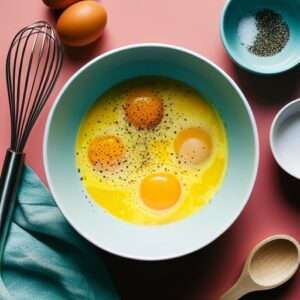
- Crack your desired number of eggs into a bowl. For a standard serving, 2-3 eggs are usually sufficient.
- Add about 2-3 tablespoons of 4% milkfat small curd cottage cheese per two eggs.
- Add a pinch of salt and a grind of black pepper.
- Mixing Techniques:
- Whisking: For a slightly textured, more traditional scramble where the curds are still somewhat visible but integrated, whisk the eggs and cottage cheese vigorously with a fork or whisk until just combined and frothy.
- Blending (for smooth texture): If you prefer an utterly smooth, almost custardy scramble where the cottage cheese completely disappears, use an immersion blender or a regular blender. Blend until the mixture is uniform and completely smooth. This is the ultimate fluffy scrambled eggs secret for those who want no trace of curds.
Step 2: The Pan Heat
- Place a non-stick skillet over low to medium-low heat. This is a critical step for preventing separation and ensuring a creamy texture.
- Add your chosen fat (butter, olive oil, or avocado oil) to the pan and let it melt or heat gently until shimmering.
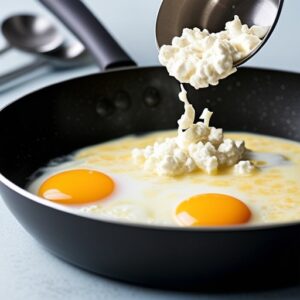
- Pour the egg and cottage cheese mixture into the warm pan.
Step 3: The Fold
- Allow the edges of the eggs to just begin to set, which typically takes 30-60 seconds on low heat.
- Using a silicone spatula or wooden spoon, gently push the cooked egg from the edges towards the center, allowing the uncooked egg to flow into the empty space.
- Continue this gentle pushing and folding motion, rather than aggressive stirring, moving the curds across the pan. This technique encourages large, soft curds and prevents the eggs from becoming crumbly or dry.
- Cook, continuing to fold, until the eggs are mostly set but still slightly moist and glossy. They will continue to cook slightly from residual heat once removed from the pan.
- Remove the pan from the heat immediately.
Critical Tips: How to Avoid Watery Scrambled Eggs
The biggest fear when adding any dairy to scrambled eggs is often the dreaded watery outcome. But with Scrambled Eggs with Cottage Cheese, this can be easily avoided by following a few simple rules:
- Drain the Cheese (If Necessary): Some brands of cottage cheese can be quite liquidy. If yours seems to have a lot of excess whey, simply place it in a fine-mesh sieve for 5-10 minutes before adding it to your eggs. This will remove any excess moisture that could lead to a watery scramble.
- Low and Slow is the Way to Go: This is arguably the most crucial tip. High heat causes the egg proteins to seize up too quickly and pushes out the whey from the cottage cheese, resulting in a separated, watery mess. Cooking your creamy scrambled eggs without milk or water over low heat allows the cottage cheese to melt gradually and incorporate smoothly into the eggs, creating that desired creamy consistency. Be patient!
- Don’t Overcook: As soon as the eggs are mostly set but still have a slight sheen of moisture, remove them from the heat. Carryover cooking will finish them off perfectly. Overcooked eggs become tough, dry, and lose their delicate texture. Aim for a slightly underdone look when they come off the stove for optimal creaminess. This is another key part of the fluffy scrambled eggs secret.
Delicious Variations
Once you’ve mastered the basic Scrambled Eggs with Cottage Cheese, the possibilities for customization are endless. Here are some fantastic ways to elevate your breakfast:
- The “Loaded” Scramble: For a vibrant and flavorful boost, fold in some fresh baby spinach (it will wilt down beautifully), chopped cherry tomatoes, and a sprinkle of crumbled feta cheese just before the eggs are fully cooked.
- Spicy Kick: If you love a little heat to wake up your palate, drizzle your finished eggs with a touch of chili crisp, sriracha, or your favorite hot sauce. A pinch of red pepper flakes added with the eggs can also do the trick.
- Savory Meats: For a heartier meal, incorporate crumbled beef sausage or crispy beef bacon bits. Cook the beef separately until perfectly rendered and crispy, then stir it into the eggs just before serving for a delightful salty crunch and umami depth. This is a perfect addition for those following keto egg recipes or simply seeking more substantial low carb breakfast ideas.
- Cheesy Overload: While cottage cheese provides plenty of creaminess, you can always add more! Sprinkle some freshly grated sharp cheddar, Gruyère, or Parmesan cheese on top of the eggs in the last minute of cooking, allowing it to melt into a gooey layer.
Serving Suggestions
These versatile Scrambled Eggs with Cottage Cheese pair wonderfully with a variety of sides, making them suitable for any meal occasion.
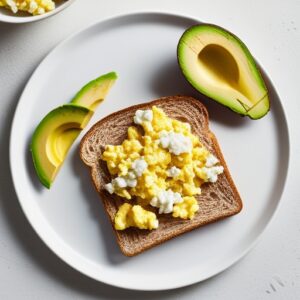
- Classic & Comforting: Serve on a slice of toasted sourdough bread, perhaps topped with half an avocado, mashed with a squeeze of lemon juice and a sprinkle of everything bagel seasoning.
- Low Carb & Fresh: For a refreshing and light option, pair your eggs with thinly sliced cucumbers, ripe cherry tomatoes, and a side of fresh berries. This is an ideal healthy vegetarian breakfast or part of any low carb breakfast ideas meal plan.
- Hearty Bowl Style: Create a satisfying breakfast bowl by serving your creamy eggs over a bed of roasted sweet potatoes, quinoa, or even a handful of mixed greens for an extra veggie boost.
Frequently Asked Questions (FAQ)
Here are some common questions about making Scrambled Eggs with Cottage Cheese:
- Can I taste the cottage cheese?
No, not distinctly. When cooked properly, the cottage cheese largely melts and integrates into the eggs. Its primary role is to add incredible creaminess and a protein boost, not a strong cheesy flavor. You’ll notice the texture far more than the taste.
- Can I make this ahead of time?
While scrambled eggs are always best enjoyed fresh off the pan, you can certainly refrigerate leftovers in an airtight container for up to 2-3 days. Reheat gently in a microwave or on the stovetop over low heat, adding a splash of water or milk if they seem too dry.
- What is the best curd size to use?
For the smoothest and creamiest results where the cottage cheese completely melts into the eggs, small curd cottage cheese is highly recommended. Large curd can also be used but may result in slightly more discernible curds in the final scramble, which some people enjoy.
Fluffy Scrambled Eggs with Cottage Cheese
Ingredients
- 4 large Eggs Fresh, pasture-raised if possible
- 1/2 cup Cottage Cheese Small curd, 4% milkfat preferred (drain if watery)
- 1 tbsp Butter Unsalted
- 1/4 tsp Salt To taste
- 1/4 tsp Black Pepper Freshly cracked
- 1 tbsp Fresh Chives Finely chopped, for garnish
Instructions
- Crack the eggs into a medium mixing bowl. Add the cottage cheese, salt, and black pepper.
- Vigorously whisk the mixture until the yolks and whites are fully combined and the cottage cheese is incorporated. For a completely smooth texture without curds, you can pulse this mixture in a blender for 10 seconds.
- Place a non-stick skillet over medium-low heat. Add the butter and let it melt, swirling to coat the bottom of the pan.
- Pour the egg mixture into the center of the pan. Let it sit undisturbed for about 30 seconds until the edges just begin to set.
- Using a silicone spatula, gently push the eggs from the edges toward the center, forming large, soft curds. Continue this folding motion, pausing occasionally to let uncooked egg flow to the hot pan surface.
- Cook for 3-5 minutes, removing the pan from the heat when the eggs look slightly wet (they will continue to cook on the plate).
- Serve immediately, garnished with fresh chives.
For more daily recipes and tips, follow us on Facebook!
Click here to join our community!