The Only Chicken Chow Mein Recipe You’ll Ever Need
Say goodbye to mediocre takeout! This article will guide you through creating a truly restaurant-quality Chicken Chow Mein right in your own kitchen. We’ll cover everything from the secret to tender, juicy chicken to crafting the perfect savory sauce and achieving that ideal noodle texture. Get ready for a quick, delicious, and satisfying meal that will have everyone asking for seconds. This isn’t just an easy chicken chow mein recipe; it’s your new weeknight staple for homemade chicken chow mein that’s truly better than takeout.
What Exactly is Chicken Chow Mein?
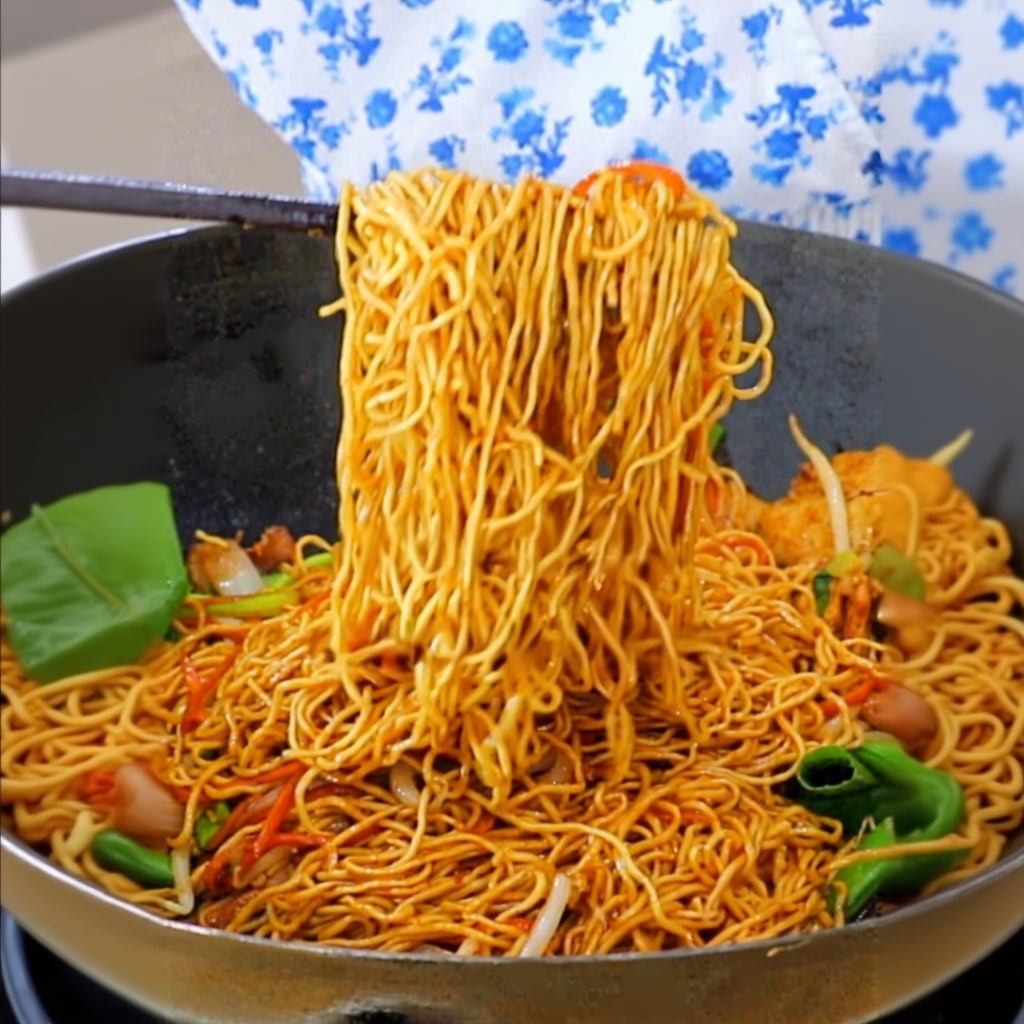
Before we dive into the wok, let’s talk about what makes chow mein, well, chow mein. This globally beloved Chinese noodle dish traces its origins to Cantonese cuisine, where its name literally translates to ‘stir-fried noodles.’ At its heart, authentic Chicken Chow Mein is defined by its method of preparation: noodles that are par-boiled and then quickly stir-fried with protein, vegetables, and a savory sauce. The goal is a delightful texture where the noodles are coated, flavorful, and often possess slightly crispy chow mein noodles in spots, distinguishing it from other noodle dishes.
The Great Noodle Debate: Chicken Chow Mein vs. Lo Mein
It’s one of the most common questions in Chinese-American cuisine, and often a point of confusion. While both are delicious noodle dishes, the preparation method is the key differentiator. The name “Chow Mein” means ‘fried noodles,’ emphasizing the stir-frying technique. Here, the noodles are typically par-boiled, then added to a hot wok and fried until they develop a slightly firm, often crispy exterior. They absorb the sauce as they fry, resulting in a drier, chewier, and sometimes crispier texture.
In contrast, “Lo Mein” translates to ‘tossed noodles.’ For this dish, the noodles are fully cooked through boiling and then simply tossed with the sauce, protein, and vegetables at the very end. This process yields a softer, more pliable noodle with a heavier coating of sauce. Understanding this distinction means you’ll truly appreciate the unique qualities of our homemade Chicken Chow Mein, focusing on achieving those perfect stir-fried noodles, unlike the softer texture you’d find in a Lo Mein.
Why This Recipe Works (And Why You’ll Love It!)
- Better Than Takeout: Take control of the ingredients, the flavor, and the freshness. No more greasy, overly salty noodles – just pure, delicious restaurant style Chicken Chow Mein tailored to your taste.
- Quick & Easy: Perfect for a busy weeknight, this entire dish comes together from prep to plate in about 30 minutes, making it an ideal quick chicken chow mein solution.
- Perfectly Tender Chicken: We’ll show you the simple ‘velveting’ technique that Chinese restaurants use to guarantee incredibly juicy, silky-smooth chicken every single time.
- The Ultimate Sauce: A perfectly balanced, savory, and umami-rich chicken chow mein sauce that beautifully coats every single noodle without being too heavy or overpowering.
- Customizable: This versatile chicken and noodle stir fry can easily be adapted. Swap vegetables or protein to suit your taste, dietary needs, or simply to use up what’s in your fridge.
Ingredient Deep Dive: Assembling Your Perfect Chow Mein
Great food starts with great ingredients. We’ll go over each component in detail, offering tips and substitution options for your chow mein ingredients.
For the Chicken & Marinade
Our secret to incredibly tender, moist chicken? The traditional Chinese technique of velveting chicken. This simple process uses a quick chow mein marinade of salt, white pepper, rice wine (or dry sherry), a touch of egg white for a protective coating, cornstarch for silkiness and to lock in moisture, and a final drizzle of oil to prevent sticking. Each ingredient plays a crucial role in transforming ordinary chicken breast or thigh into succulent bites perfect for your .
For the Perfect Chow Mein Noodles
When asking what noodles for chow mein are best, look for thin, yellow egg noodles. These are typically labeled “chow mein noodles” or “Hong Kong style pan-fried noodles.” You can find them fresh in the refrigerated section of Asian markets or dried in the international aisle of most supermarkets. Their unique chewy texture is ideal. If you can’t find them, fresh yakisoba noodles are a good alternative, or even thin spaghetti cooked al dente can work in a pinch, though the texture won’t be quite the same as an authentic Chicken Chow Mein.
For the Signature Sauce
This is the soul of your homemade Chicken Chow Mein. Our balanced chicken chow mein sauce is a simple yet powerful blend: light soy sauce provides the primary saltiness; dark soy sauce adds a beautiful rich color and a subtle molasses-like sweetness and depth; oyster sauce delivers a fantastic umami punch; and a little water or chicken broth helps thin it to the perfect consistency, often thickened slightly with cornstarch. A dash of white pepper and sesame oil rounds out the flavors, creating a truly better than takeout experience.
For the Vegetables
Crisp-tender vegetables are key to a vibrant chicken chow mein with vegetables. Classic choices include thinly sliced yellow onion, crisp snap peas, earthy shiitake mushrooms, matchstick carrots, and a handful of crunchy bean sprouts added at the very end. Fresh scallions (green onions) are a must for garnish and a touch of freshness. Feel free to customize with other quick-cooking additions like broccoli florets, sliced bell peppers, baby corn, or bok choy for a healthy chicken chow mein version.
Step-by-Step Guide: How to Make Chicken Chow Mein
Follow these detailed steps, complete with pro-tips, for foolproof, restaurant-style Chicken Chow Mein results.
Step 1: Velvet the Chicken
This is arguably the most important step for tender chicken. Begin by slicing your boneless, skinless chicken breast or thigh against the grain into thin, bite-sized pieces. In a medium bowl, combine the chicken with the chow mein marinade ingredients: 1/2 teaspoon salt, 1/4 teaspoon white pepper, 1 tablespoon rice wine (or dry sherry), 1 egg white, and 1 tablespoon cornstarch. Mix well until every piece is coated. Let it rest for at least 15-20 minutes while you prep the remaining ingredients. This velveting chicken technique is the secret!
Step 2: Mix the Sauce
In a small bowl, whisk together all the chicken chow mein sauce ingredients: 2 tablespoons light soy sauce, 1 tablespoon dark soy sauce, 1 tablespoon oyster sauce, 2 tablespoons water or chicken broth, 1 teaspoon sugar, 1/4 teaspoon white pepper, and 1 teaspoon cornstarch. Having this ready beforehand is a key to a successful, fast-paced stir-fry.
Step 3: Prepare the Noodles
Follow the package instructions to par-cook your chosen chow mein noodles until they are al dente – slightly firmer than you’d normally eat them. This is crucial as they will finish cooking in the wok. Immediately drain the noodles and rinse them thoroughly under cold water. This stops the cooking process and prevents them from sticking together or becoming mushy. Toss them with a teaspoon of sesame oil to keep them separated.
Step 4: The Stir-Fry (Bringing it all Together)
This is where the magic happens, and it moves fast! Ensure your wok or large skillet is super hot.
- Searing the Chicken: Heat 1 tablespoon of oil in your wok over high heat until just smoking. Add the marinated chicken in a single layer (cook in batches if necessary to avoid crowding). Sear for 2-3 minutes until golden brown and cooked through. Remove the chicken from the pan and set aside.
- Sautéing the Aromatics & Veggies: Add another tablespoon of oil to the hot wok. Add minced garlic, sliced ginger (if using), and harder vegetables like carrots and onions. Stir-fry for 2-3 minutes until slightly softened. Then, add quicker-cooking vegetables like snap peas or mushrooms and stir-fry for another 1-2 minutes.
- Frying the Noodles: Push the vegetables to one side of the wok. Add the par-cooked noodles to the empty side along with a splash of oil. Let them sit undisturbed for a minute to get slightly crispy, then toss them around with the vegetables until they are well combined and heated through, developing that crispy chow mein noodles texture.
- Combining and Saucing: Return the seared chicken to the pan. Add the bean sprouts and pour the pre-mixed chicken chow mein sauce over everything. Toss vigorously and continuously, ensuring every noodle and piece of chicken and vegetable is coated in the glossy sauce. Cook for 1-2 minutes until the sauce thickens and adheres. Finish with sliced scallions and a drizzle of sesame oil. Serve your easy chicken chow mein recipe immediately!
Pro Tips for Restaurant-Quality Results
- High Heat is Your Friend: A key to the authentic ‘wok hei’ flavor in Cantonese style chow mein is cooking quickly over screaming high heat. This creates that characteristic smoky, charred aroma.
- Don’t Crowd the Pan: Overloading your wok lowers the temperature, causing ingredients to steam instead of stir-fry. Cook the chicken and vegetables in batches if necessary, removing them as they’re done and combining them at the end.
- Mise en Place is Essential: “Everything in its place.” Have all your ingredients chopped, measured, and ready to go before you even turn on the stove. Stir-frying is a fast process, and you won’t have time to chop mid-cook.
- Noodle Prep is Crucial: Slightly under-cook your noodles initially, as they will finish cooking in the sauce. Rinsing them with cold water immediately after boiling is non-negotiable for preventing mushy, sticky noodles. This step helps create delightful crispy chow mein noodles.
Variations and Customizations
This homemade Chicken Chow Mein is incredibly versatile, making it easy to create a healthy chicken chow mein that suits your palate:
- Protein Swaps: Instead of chicken, try this recipe with sliced shrimp, thinly sliced pork loin, beef (marinade like the chicken), or even firm tofu for a vegetarian option.
- Make it Spicy: For a spicy chicken chow mein kick, add a teaspoon of chili garlic sauce, sriracha, or a pinch of red pepper flakes to the sauce mixture.
- Gluten-Free Option: Easily adapt by using tamari instead of regular soy sauce, ensuring your oyster sauce is a certified gluten-free brand (or substituting with a mushroom-based vegetarian oyster sauce), and opting for rice noodles or certified gluten-free chow mein noodles.
- Add More Veggies: Feel free to load up your chicken chow mein with vegetables! Broccoli florets, sliced bell peppers, baby corn, water chestnuts, or even a handful of spinach can be great additions. Just adjust stir-frying times based on their density.
Serving, Storing, and Reheating
Serve your restaurant style Chicken Chow Mein immediately, garnished with extra fresh scallions or a drizzle of toasted sesame oil. For leftovers, store in an airtight container in the refrigerator for up to 3 days. Reheat gently in a skillet over medium heat with a splash of water or broth to loosen the noodles and prevent them from drying out, or warm in the microwave, stirring occasionally.
Frequently Asked Questions (FAQ)
What is the main difference between chicken chow mein and chicken lo mein?
The main difference lies in the cooking method and resulting texture. Chicken Chow Mein noodles are par-boiled and then stir-fried in a hot wok, often achieving slightly crispy edges. Chicken Lo Mein noodles, on the other hand, are fully boiled until soft and then simply tossed with the sauce and other ingredients, resulting in a softer, more saucy noodle dish.
What kind of noodles are best for chow mein?
For the best Chicken Chow Mein recipe, look for thin, fresh or dried yellow egg noodles often labeled “chow mein noodles” or “Hong Kong style pan-fried noodles.” These noodles provide the ideal chewy texture and can achieve those desirable crispy chow mein noodles when stir-fried properly. You can find them in the refrigerated or international sections of most grocery stores.
Can I use spaghetti for chow mein?
Yes, in a pinch, you can use spaghetti for homemade Chicken Chow Mein. It won’t have the same authentic chewy texture or yellow color as egg noodles, but if cooked al dente and then rinsed thoroughly with cold water before stir-frying, it can work as a serviceable substitute for a quick chicken chow mein.
How do you make chow mein sauce from scratch?
Our recipe provides the perfect from-scratch chicken chow mein sauce: a simple mix of light soy sauce (for saltiness), dark soy sauce (for color and depth), oyster sauce (for umami), a little water or broth, sugar, white pepper, and a touch of cornstarch for thickening. Whisking these together beforehand ensures a perfectly balanced flavor for your chicken and noodle stir fry.
How do you keep chow mein noodles from getting soggy?
To prevent soggy noodles in your authentic Chicken Chow Mein:
- Undercook them slightly: Boil noodles until just al dente, as they will finish cooking in the wok.
- Rinse thoroughly: Immediately after boiling, rinse noodles with cold water to stop the cooking and remove excess starch.
- Fry them hot: Ensure your wok is very hot, add a little oil, and fry the noodles for a minute or two until slightly crisp before adding the sauce. This helps them absorb the sauce without becoming waterlogged.
The Best Chicken Chow Mein
There you have it – a Chicken Chow Mein that’s bursting with flavor, packed with texture, and so much better than takeout you could order. This recipe empowers you to become a stir-fry master in your own kitchen, delivering a truly restaurant style Chicken Chow Mein experience. Enjoy this satisfying Chinese noodle dish and make it your go-to best chicken chow mein recipe!
“`
For more daily recipes and tips, follow us on Facebook!
Click here to join our community!