The Ultimate Chicken Fried Rice: Better Than Takeout!
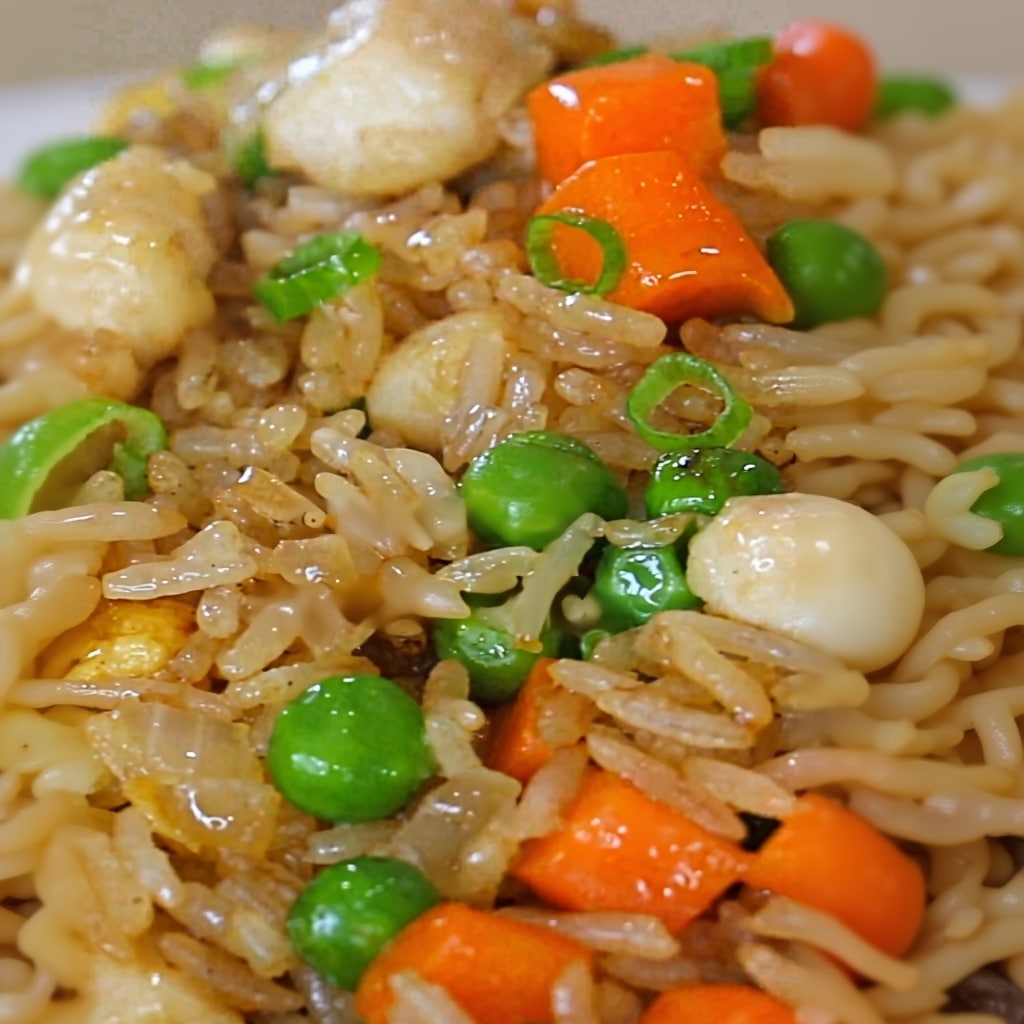
Picture this: a steaming bowl of perfectly cooked chicken fried rice. Each grain of rice is distinct and fluffy, never greasy or clumpy. Nestled among them are tender, succulent pieces of chicken, sweet carrots, vibrant peas, and delicate ribbons of egg, all coated in a rich, savory sauce that awakens every taste bud. Sound like a dream? Too often, takeout versions fall short – bland, oily, or just… meh. But what if we told you that mastering homemade chicken fried rice is not only achievable but surprisingly easy, and will leave you wondering why you ever bothered with ordering out? We’re about to unveil the secrets to a truly unforgettable, restaurant quality fried rice that will become your new go-to quick weeknight dinner. Get ready to transform humble ingredients into a culinary masterpiece, because this isn’t just a recipe; it’s a game-changer.
Why This Recipe is a Game-Changer
This isn’t just another chicken and rice recipe; it’s engineered for success, delivering flavor and texture that truly makes it better than takeout. We’re focusing on simple yet profound techniques that elevate every element of the dish.
The Secret to Incredibly Tender Chicken
No more dry, stringy chicken in your fried rice! The true magic here lies in a simple yet often overlooked Chinese cooking technique called velveting chicken. Before stir-frying, we marinate the diced chicken breast (or thighs, if you prefer) in a mixture of egg white, cornstarch, a touch of water, and oil. This creates a delicate, protective coating that seals in moisture during the high-heat cooking process. The result? Incredibly juicy, unbelievably tender chicken that melts in your mouth with every bite. It’s a small step that yields monumental results for your homemade chicken fried rice.
The Perfect Rice Texture (No More Mush!)
This is arguably the most critical component for exceptional chicken fried rice. The key to fluffy, separate grains of rice, free from mushiness, is using day-old, cold rice. When rice sits in the refrigerator overnight, it dries out, firming up the individual grains. This allows them to fry beautifully in the wok or pan, achieving that delightful slightly chewy texture and a subtle toasted flavor. Freshly cooked, warm rice still holds too much moisture, leading to steaming and clumping – the exact opposite of what we want for authentic chinese fried rice.
A Simple, Flavor-Packed Sauce
You don’t need a pantry full of exotic ingredients to create a deeply flavorful fried rice sauce. Our recipe relies on a perfectly balanced blend of just two powerhouses: high-quality soy sauce and savory oyster sauce. This combination delivers an umami-rich punch that coats every grain of rice without making it soggy. It’s the foundation of that classic, craveable takeout style fried rice flavor you’ve been searching for, proving that sometimes, simplicity is key to achieving the best chicken fried rice.
The Key Ingredients for Success
Each component of this easy chicken fried rice recipe plays a vital role. Understanding their purpose will help you master the dish.
For the Star of the Show: The Rice
As discussed, cold, day-old rice is non-negotiable for the perfect texture. When it comes to type, Jasmine rice is the undisputed champion for chicken fried rice. Its fragrant aroma, slightly sticky texture when cooked, and ability to separate beautifully make it ideal. Long-grain white rice (like Basmati) also works well, but avoid short-grain or sushi rice, as their high starch content leads to clumping. If you’re cooking fresh rice specifically for this dish, aim for slightly less water than usual to yield firmer grains, then spread it on a baking sheet to cool completely in the fridge for at least a few hours, or ideally overnight.
The Chicken and Its Magic Marinade
We recommend boneless, skinless chicken breast for its lean protein, cut into small, bite-sized pieces for quick cooking. If you prefer a richer flavor, boneless, skinless chicken thighs are an excellent alternative. The velveting marinade consists of:
- Egg White: Acts as a binder and creates a protective layer.
- Cornstarch:
Thickens the marinade and contributes to the tender texture.
- Soy Sauce: Adds savory flavor.
- Shaoxing Wine (optional, but recommended): Chinese cooking wine for authentic depth.
- Sesame Oil: For a touch of aromatic flavor.
This blend is crucial for ensuring your chicken stays juicy and tender, making your authentic chicken fried rice recipe truly stand out.
The Essential Aromatics & Vegetables
For foundational flavor, we rely on finely diced yellow onion and fresh scallions (green onions). Vibrant carrots and sweet peas add color, texture, and a touch of natural sweetness. Feel free to customize your stir fry rice with other popular additions like minced garlic, mushrooms, bean sprouts, or bell peppers for extra crunch and nutrients. The beauty of homemade chicken fried rice is its versatility!
The All-Important Fried Rice Sauce
Our simple yet powerful sauce is the heart of the flavor profile.
- Soy Sauce: We recommend a good quality light (or regular) soy sauce for saltiness and umami. Dark soy sauce can be added for deeper color and a slightly different, richer flavor, but it’s optional.
- Oyster Sauce: This is the secret weapon for deep, complex umami with a hint of sweetness. It’s non-negotiable for that classic chinese fried rice taste.
- White Pepper: A traditional touch that adds a subtle, fragrant warmth.
This combination creates a beautifully balanced sauce that perfectly coats every grain for a truly flavorful chicken fried rice.
The Fluffy Eggs
The scrambled egg bits are a signature element of chicken fried rice with egg. We’ll cook them separately and add them back in at the end to ensure they remain light, fluffy, and evenly distributed, adding texture and richness.
How to Make Chicken Fried Rice: A Step-by-Step Guide
Get all your ingredients prepped and ready before you start cooking – this is key for a fast, successful stir-fry!
Step 1: Prepare Your Rice Ahead of Time
If you haven’t already, cook your Jasmine or long-grain white rice according to package directions, but aim for slightly less water for a firmer texture. The most crucial step is to cool it completely. Spread the freshly cooked rice in a thin layer on a baking sheet and refrigerate it for at least 2-3 hours, or ideally, overnight. This ensures the grains are dry and won’t clump when you stir-fry. If you’re short on time, you can spread warm rice on a baking sheet and place it in the freezer for about 15-20 minutes, stirring occasionally, until it’s cold.
Step 2: Marinate the Chicken (The Velveting Process)
Cut your chicken breast or thighs into small, uniform ½-inch pieces. In a medium bowl, combine the chicken with 1 egg white, 1 tablespoon cornstarch, 1 teaspoon soy sauce, 1 teaspoon Shaoxing wine (if using), and ½ teaspoon sesame oil. Mix thoroughly until the chicken is evenly coated. Let it marinate for at least 10-15 minutes while you prep other ingredients. This simple step is what gives you that incredibly tender chicken.
Step 3: Mix Your Flavor-Packed Sauce
In a small bowl, whisk together 2 tablespoons soy sauce, 1 tablespoon oyster sauce, and a pinch of white pepper. Set this aside. Having your fried rice sauce ready to pour ensures a smooth, quick stir-fry process, which is essential when making simple fried rice.
Step 4: Cook the Eggs
Heat 1 tablespoon of oil in a large wok or skillet over medium-high heat. Once shimmering, pour in 2 beaten eggs. Scramble them quickly with your spatula until just set and fluffy, breaking them into small pieces. Remove the cooked eggs from the pan and set them aside. This prevents them from overcooking and becoming rubbery.
Step 5: Sauté Aromatics and Cook the Chicken
Add another 1-2 tablespoons of oil to the same wok over high heat. Add the diced onion and stir-fry for 1 minute until fragrant. Push the onion to one side, then add the marinated chicken in a single layer to the empty space. Cook for 2-3 minutes, stirring occasionally, until the chicken is cooked through and lightly golden. Break up any clumps. This high heat is key for achieving that sought-after ‘wok hei’ flavor in your authentic chicken fried rice recipe.
Step 6: Add Veggies and Rice
Add the frozen peas and diced carrots to the wok with the chicken and onion. Stir-fry for 1-2 minutes until they start to soften slightly. Now, add your cold, day-old rice to the wok. Use your spatula or a wooden spoon to break up any clumps of rice thoroughly. Continue to stir-fry everything together for 3-5 minutes, pressing the rice against the hot surface of the wok to encourage a slight char and ensure it heats through evenly. This is where the magic of leftover rice recipe truly shines.
Step 7: Sauce, Combine, and Finish!
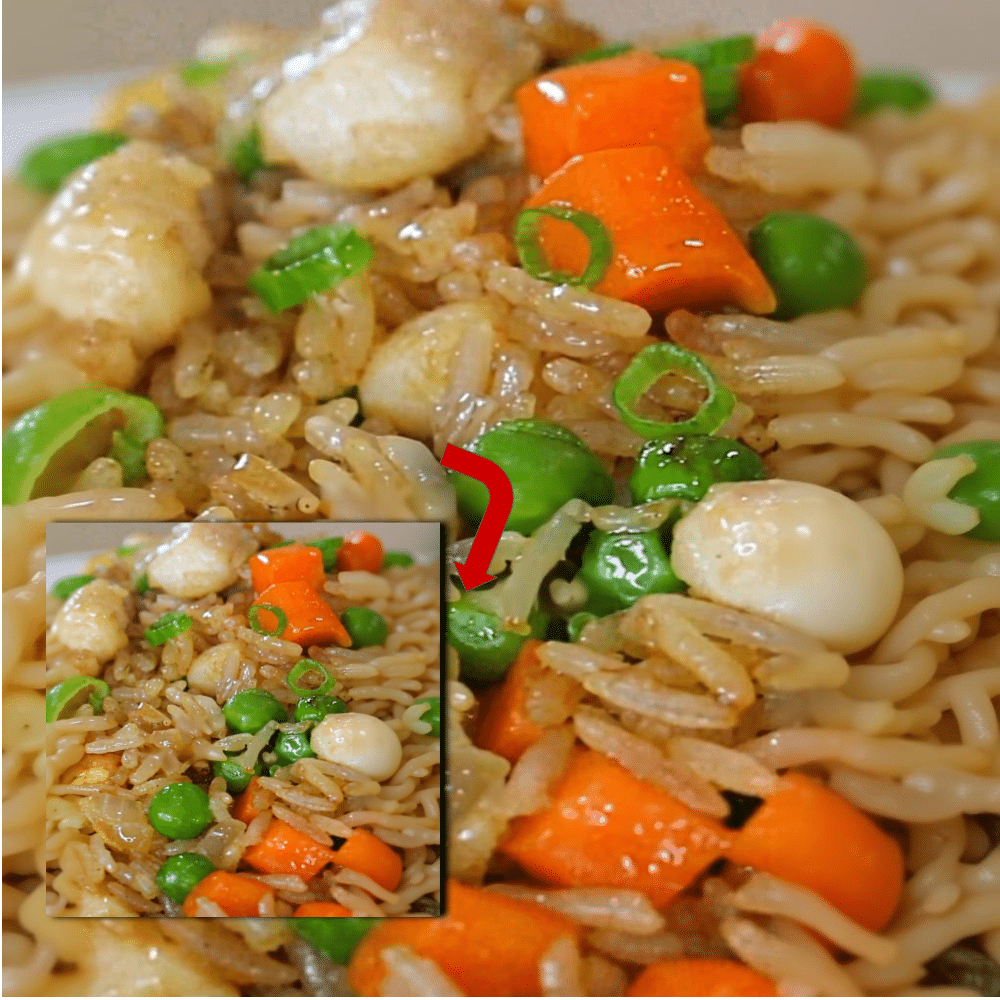
Pour the pre-mixed fried rice sauce evenly over the rice mixture in the wok. Add the cooked scrambled eggs back into the pan. Toss everything together vigorously over high heat for another 1-2 minutes, ensuring every grain of rice is coated and the sauce is fully absorbed. Finally, stir in the chopped fresh scallions. Serve immediately and enjoy your incredibly delicious, better than takeout chicken fried rice!
Pro-Tips for Restaurant-Quality Fried Rice
Elevate your homemade chicken fried rice from good to extraordinary with these expert tips:
- Use a Wok (If You Have One): A traditional wok’s sloped sides and high heat retention are perfect for stir-frying. It allows for even cooking and helps achieve that elusive “wok hei” (breath of the wok) – a smoky, caramelized flavor. If you don’t have one, a large, heavy-bottomed skillet will work, but don’t overcrowd it.
- High Heat is Your Best Friend: Stir fry rice demands high, consistent heat. This prevents steaming and encourages frying, leading to distinct, flavorful grains.
- Don’t Crowd the Pan: Overcrowding lowers the pan’s temperature, causing ingredients to steam instead of fry. Cook in batches if necessary, especially if you’re using a skillet instead of a wok.
- Prep Everything in Advance (Mise en Place): Fried rice cooks fast! Have all your ingredients chopped, measured, and ready to go before you even turn on the heat. This ensures a smooth, stress-free cooking experience.
- Use Day-Old, Cold Rice: We can’t stress this enough! It’s the #1 rule for non-soggy, perfectly textured fried rice.
- Taste and Adjust: Always taste your chicken fried rice before serving. Adjust seasoning with a little more soy sauce, a dash of sesame oil, or a pinch of white pepper if needed.
Common Fried Rice Mistakes and How to Avoid Them
Even seasoned cooks can stumble. Here’s how to ensure your chicken fried rice is always a triumph:
Mistake 1: Using Hot, Freshly Cooked Rice
Problem: Leads to mushy, clumpy, and soggy fried rice because the excess moisture steams the ingredients rather than frying them.
Solution: Always use cold, day-old rice. If you absolutely must use fresh rice, cook it with slightly less water, then spread it thinly on a baking sheet and refrigerate (or freeze briefly) until completely cold and dry.
Mistake 2: Using Too Much Sauce
Problem: Over-saturates the rice, making it wet, heavy, and potentially overly salty.
Solution: Start with the recommended amount in the recipe. The goal is to lightly coat each grain, not drown it. You can always add a tiny splash more at the end if you feel it needs it, but it’s hard to take it away.
Mistake 3: Low Cooking Temperature
Problem: Rice steams instead of fries, resulting in a bland flavor and poor, soft texture without any ‘wok hei’.
Solution: Use high, consistent heat throughout the stir-frying process. Ensure your wok or pan is smoking hot before adding ingredients, and don’t overcrowd it, which can drop the temperature significantly.
Variations and Customizations
This easy chicken fried rice recipe is a fantastic canvas for creativity. Make it your own!
- Protein Swaps: Not a chicken fan? This recipe is equally delicious with shrimp, thinly sliced beef, diced char siu (Chinese BBQ pork), or even firm tofu for a vegetarian option.
- Add More Veggies: Boost the nutritional value and texture with additions like broccoli florets, corn, bell peppers (red or green), bok choy, or edamame. Add them at the same stage as the carrots and peas.
- Make it Spicy: For a kick, add a teaspoon of sriracha, chili garlic sauce, or a few slices of fresh red chili along with the aromatics.
- Flavor Boosters: Minced garlic and ginger can be added with the onion for extra aromatic depth. A final drizzle of toasted sesame oil at the very end adds a wonderful nutty aroma.
Storing and Reheating Leftovers
Enjoying your delicious chicken fried rice for days to come is easy with proper storage.
How to Store
Allow the chicken fried rice to cool completely (but quickly) at room temperature, then transfer it to an airtight container. Store it in the refrigerator for up to 3-4 days. For longer storage, you can freeze it for up to 1 month, though the texture might be slightly softer upon reheating.
How to Reheat
The best way to revive leftover chicken fried rice is in a hot skillet or wok with a tiny bit of oil over medium-high heat. Stir-fry for a few minutes until heated through and the grains regain some crispness. Alternatively, for a quick reheat, microwave it, covering the container with a damp paper towel to help retain moisture and prevent it from drying out.
Frequently Asked Questions (FAQ)
What is the best kind of rice for fried rice?
The best kind of rice for fried rice is a medium to long-grain white rice. Jasmine rice is the top choice due to its fragrant aroma, slightly firm texture, and ability to separate beautifully when stir-fried. Avoid sticky short-grain or sushi rice, as their high starch content makes them prone to clumping and mushiness.
Do you have to use day-old rice for fried rice?
While not strictly “have to,” it is strongly recommended to use day-old, cold rice for the best texture. The refrigeration process dries out the rice grains, preventing them from steaming and clumping together during stir-frying. If you only have freshly cooked rice, spread it thin on a baking sheet and chill it in the fridge for a few hours or the freezer for 15-20 minutes until completely cold and dry.
What gives chicken fried rice its flavor?
The signature flavor of chicken fried rice comes from a combination of elements: the umami-rich fried rice sauce (soy sauce, oyster sauce), the aromatic base of onions and scallions, the savory richness of eggs and tender chicken (especially if using the velveting technique), and the smoky, caramelized “wok hei” achieved from high-heat stir-frying. A dash of white pepper and sesame oil also contribute to its authentic taste.
How can I prevent my fried rice from being soggy?
Preventing soggy fried rice comes down to three key factors: 1) Use cold, dry, day-old rice to minimize excess moisture. 2) Cook over high heat to quickly evaporate moisture and promote frying over steaming. 3) Don’t overcrowd your pan and avoid adding too much sauce or overly watery vegetables, which can release steam and lower the pan’s temperature.
Is this chicken fried rice recipe healthy?
Yes, homemade chicken fried rice can be a very balanced and healthier option compared to many takeout versions. You control the amount and quality of oil, sodium (by using low-sodium soy sauce), and can load it with extra vegetables. It provides a good balance of protein from the chicken and egg, complex carbohydrates from the rice, and essential nutrients from the veggies, making it a wholesome quick weeknight dinner.
[Recipe Card Placeholder]
For a printable, easy-to-follow version of this incredible Ultimate Chicken Fried Rice: Better Than Takeout! recipe, including exact measurements and detailed instructions, please find our full recipe card below. Get ready to cook the best chicken fried rice you’ve ever tasted!
For more daily recipes and tips, follow us on Facebook!
Click here to join our community!