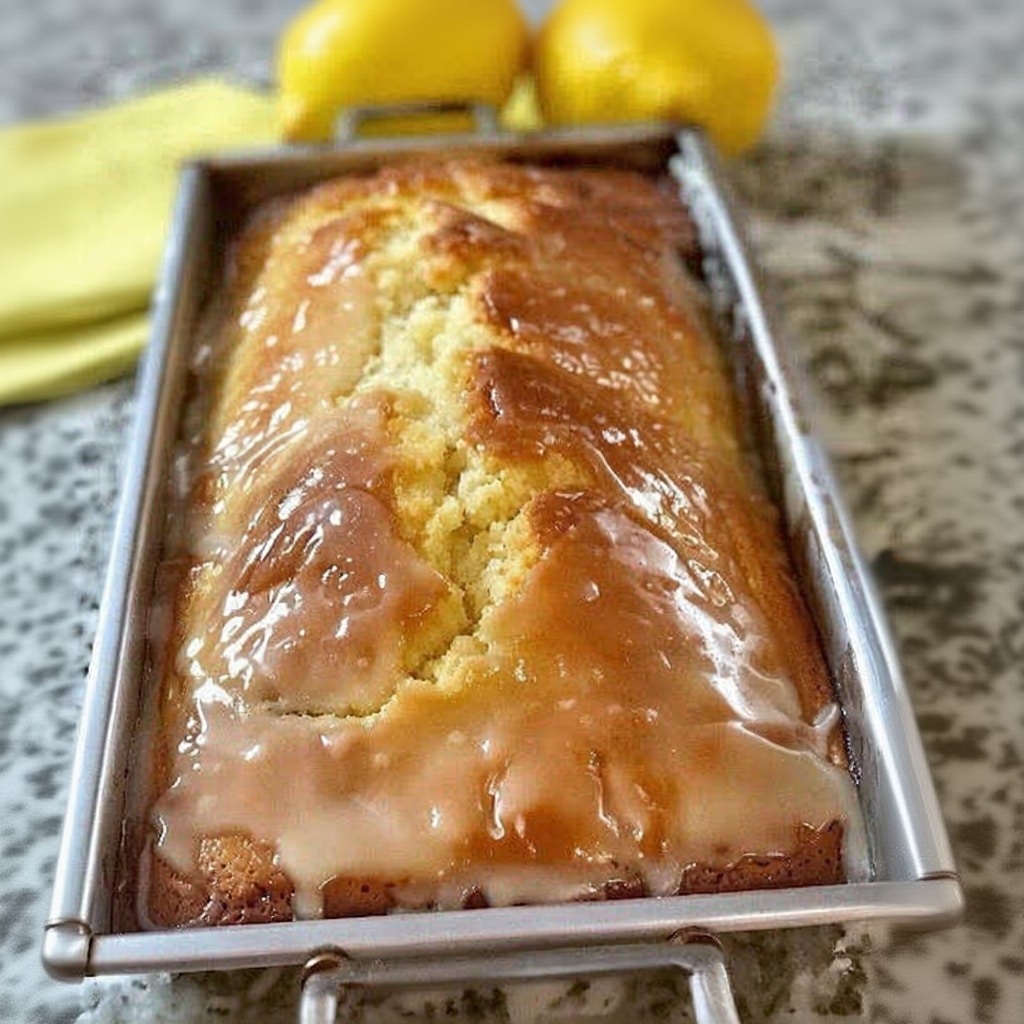
Welcome, fellow baking enthusiasts, to a slice of pure sunshine! If you’ve ever dreamt of a treat that perfectly balances sweet and tart, a dessert that feels both comforting and invigorating, then you’re about to discover your new obsession: the ultimate Lemon Loaf Cake. Imagine this: a bite of tender, moist crumb, bursting with bright, zesty lemon flavor, all enrobed in a luscious, tangy glaze that shimmers like morning dew. It’s an experience that transports you, a moment of pure culinary delight.
This isn’t just any lemon cake; it’s *the* lemon cake. My go-to recipe for everything from a cheerful brunch to an elegant afternoon tea, or simply a sweet pick-me-up. And the best part? It’s surprisingly simple to make, even for novice bakers. As Julia Child wisely said, “A party without a cake is just a meeting.” So, let’s turn our kitchens into a celebration and bake a masterpiece that will have everyone asking for seconds.
Why This Lemon Loaf Cake Recipe is the Best You’ll Ever Make
There are countless lemon loaf recipes out there, but this one truly stands out. It’s a symphony of flavor and texture, meticulously crafted to deliver an unforgettable experience. Here’s why you’ll fall in love with this particular Lemon Loaf Cake:
- Perfectly Moist & Tender Crumb: We achieve an unbelievably tender crumb that melts in your mouth, thanks to key ingredients like sour cream or buttermilk. This ensures your loaf cake stays incredibly moist for days, never drying out.
- Intense, Zesty Lemon Flavor: Forget artificial flavors! This recipe harnesses the power of both fresh lemon zest and juice, creating a multi-layered citrus taste that is bright, authentic, and utterly irresistible. It’s a truly zesty lemon cake.
- Simple, Accessible Ingredients: You won’t need a trip to a specialty store. This easy lemon loaf recipe calls for common pantry staples, making it a convenient bake whenever a citrus craving strikes.
- Foolproof & Easy to Follow: Whether you’re a seasoned baker or just starting your culinary journey, our detailed, step-by-step instructions ensure success. This is a simple lemon cake recipe designed for everyone.
- Better Than the Bakery: Move over, Starbucks copycat lemon loaf! This homemade version surpasses anything you’ll find in a cafe, offering a superior taste and texture that only a fresh, from-scratch bake can provide. It’s truly the best lemon loaf recipe you’ll ever bake.
A Closer Look at Your Ingredients
Understanding the role of each ingredient is key to baking a perfect loaf cake. Here’s a breakdown of what makes this Lemon Loaf Cake so special.
For the Lemon Loaf Cake
- All-Purpose Flour: The foundational ingredient, providing structure to our tender crumb lemon cake. Always remember to measure flour by spooning it into your measuring cup and leveling it off, rather than scooping directly, to avoid a dense cake.
- Baking Powder & Baking Soda: Our leavening agents! They work together to create a light and airy texture, helping the loaf rise beautifully in the oven.
- Salt: A crucial flavor enhancer, salt balances the sweetness and brightens the overall lemon notes in the cake.
- Unsalted Butter: Softened to room temperature, butter provides richness and contributes to a tender texture. Creaming it with sugar incorporates air, making the cake lighter.
- Granulated Sugar: Beyond sweetness, sugar helps tenderize the cake, contributes to its golden crust, and keeps it moist.
- Eggs: Room temperature eggs bind the ingredients, add richness, and contribute to the cake’s structure and rise.
- Fresh Lemons (Zest & Juice): This is non-negotiable for an authentic, vibrant flavor. Zest contains the lemon’s essential oils, providing intense aroma and flavor, while the juice delivers that signature tang. This is the heart of our fresh lemon recipes.
- Sour Cream or Buttermilk: The secret weapon for an incredibly moist lemon loaf cake! The acidity in sour cream or buttermilk reacts with the baking soda, tenderizing the gluten and resulting in an exceptionally tender and moist texture. This is what makes a lemon sour cream loaf or buttermilk lemon loaf so good.
- Vanilla Extract: A touch of vanilla complements and enhances the bright lemon flavors, adding depth and warmth.
For the Zesty Lemon Glaze
- Powdered Sugar: The base for our smooth, quick-setting lemon glaze for cake. Sifting it ensures a lump-free finish.
- Fresh Lemon Juice: This provides the essential tangy lemon flavor and thins the glaze to the perfect drizzling consistency for a beautiful lemon loaf with glaze.
- A Splash of Milk or Cream (Optional): A small addition can make the glaze creamier and more opaque, creating a richer look and mouthfeel.
Essential Equipment for Baking Success
Having the right tools ready makes the process of baking a perfect loaf cake much smoother.
- 9×5 inch Loaf Pan
- Parchment Paper
- Stand Mixer or Electric Hand Mixer
- Mixing Bowls
- Whisk & Spatula
- Microplane or Zester
- Citrus Juicer
- Wire Cooling Rack
Step-by-Step Instructions: How to Bake the Perfect Lemon Loaf Cake
Follow these detailed steps to create your own delectable Lemon Loaf Cake from scratch.
Part 1: Preparing the Batter
- Prep Your Pan and Oven: Preheat your oven to 350°F (175°C). Lightly grease your 9×5 inch loaf pan, then line it with parchment paper, leaving an overhang on the long sides to easily lift the loaf out later. This prevents the loaf cake from sticking.
- Combine Dry Ingredients: In a medium bowl, whisk together the all-purpose flour, baking powder, baking soda, and salt. Set aside.
- Cream Butter and Sugar: In a large bowl with your electric mixer (stand or hand-held), beat the softened unsalted butter and granulated sugar on medium-high speed until light and fluffy, about 2-3 minutes. This crucial step incorporates air, making your cake tender.
- Add Eggs and Flavorings: Beat in the eggs, one at a time, mixing well after each addition. Scrape down the sides of the bowl as needed. Stir in the fresh lemon zest and vanilla extract until just combined.
- Alternate Wet and Dry Ingredients: With the mixer on low speed, gradually add about one-third of the dry ingredients to the butter mixture, mixing just until combined. Then, add half of the sour cream (or buttermilk), mixing until just incorporated. Repeat with another third of the dry ingredients, then the remaining sour cream, and finally the last of the dry ingredients. Mix only until no streaks of flour remain, being careful not to overmix, which can lead to a tough cake.
Part 2: Baking to Perfection
- Pour and Bake: Transfer the batter evenly into your prepared loaf pan, smoothing the top with a spatula.
- Check for Doneness: Bake for 50-65 minutes, or until the top is golden brown and a wooden skewer or toothpick inserted into the center comes out clean or with a few moist crumbs attached. If the top browns too quickly, tent it loosely with aluminum foil.
- Cooling the Loaf: Allow the Lemon Loaf Cake to cool in the pan for 10-15 minutes on a wire rack. Then, using the parchment paper overhang, carefully lift the loaf out of the pan and transfer it directly to the wire rack to cool completely before glazing. This two-stage cooling prevents the loaf from becoming soggy.
Part 3: The Perfect Lemon Glaze
- Whisk the Glaze: In a small bowl, whisk together the powdered sugar and fresh lemon juice until smooth and lump-free. If desired, add a splash of milk or cream for a creamier consistency.
- Glaze the Cooled Cake: Once the Lemon Loaf Cake is completely cool, pour the glaze evenly over the top, allowing it to drip down the sides. Let the glaze set for about 15-20 minutes before slicing and serving. This creates a stunning glazed lemon bread.
Pro-Tips from a Pastry Chef
Elevate your Lemon Loaf Cake from great to extraordinary with these expert tips.
- Room Temperature is Key: Ensure your butter, eggs, and sour cream are all at room temperature. This allows them to emulsify properly, creating a smooth, homogenous batter and a finer crumb.
- Don’t Overmix Your Batter: Overmixing develops gluten, leading to a tough, dense cake. Mix only until the ingredients are just combined.
- The Power of Zest: When zesting your lemon, use a microplane and only remove the bright yellow part, avoiding the bitter white pith underneath.
- Tenting with Foil: If your loaf cake is browning too quickly on top before the center is cooked, loosely tent it with aluminum foil for the remaining baking time.
- For a Softer Crust: For an even more moist and intensely flavored cake, brush the warm loaf with a simple lemon syrup (equal parts sugar and lemon juice, simmered until dissolved) before glazing. This creates a delectable lemon drizzle cake effect.
Variations and Fun Add-Ins
Get creative with your Lemon Loaf Cake! Here are a few ideas to customize your bake:
- Lemon Blueberry Loaf: Gently fold 1 cup of fresh or frozen (not thawed) blueberries into the batter just before pouring it into the pan.
- Lemon Poppy Seed Loaf: Add 2 tablespoons of poppy seeds to the dry ingredients for a classic, subtle crunch and nutty flavor.
- Lemon Raspberry or Cranberry: Substitute blueberries with 1 cup of fresh raspberries or dried cranberries for a different fruity twist.
- Cream Cheese Frosting: For a richer dessert, forgo the glaze and top your cooled loaf with a luscious cream cheese frosting.
Storage, Make-Ahead, and Freezing Instructions
Practical tips for enjoying your delicious Lemon Loaf Cake even longer.
- Storing at Room Temperature: Store the glazed Lemon Loaf Cake in an airtight container at room temperature for up to 3-4 days.
- Refrigerating: While not usually necessary, if you live in a very warm climate or prefer a chilled cake, you can refrigerate it in an airtight container for up to a week. Bring to room temperature before serving for the best flavor.
- Freezing the Loaf: This loaf freezes beautifully!
- Ung-lazed: Once completely cool, wrap the loaf tightly in plastic wrap, then again in aluminum foil. Freeze for up to 3 months.
- Glazed: Freeze the loaf first, uncovered, until the glaze is solid. Then wrap as above.
- Thawing: To thaw, simply unwrap the loaf and let it sit at room temperature for several hours or overnight until soft.
Troubleshooting Common Lemon Loaf Problems
Even experienced bakers encounter challenges. Here’s how to tackle common issues with your Lemon Loaf Cake.
- Why is my loaf cake dry? This is often due to overbaking or incorrect flour measurement (too much flour). Always use the spoon and level method for flour, and check for doneness at the earliest recommended time.
- Why did my cake sink in the middle? Usually, this indicates underbaking, meaning the cake’s structure wasn’t fully set before being removed from the oven. It can also happen if the oven door is opened too early, causing a sudden temperature drop.
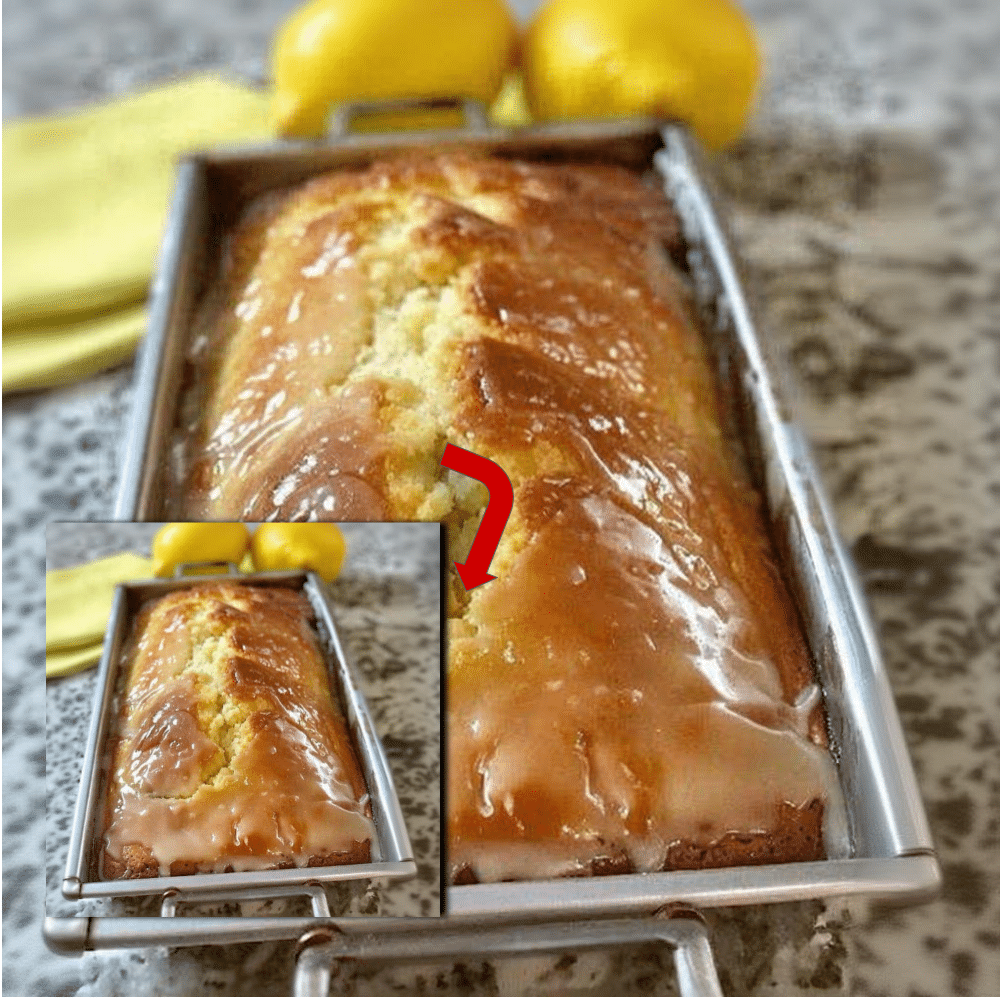
- Why did the top of my loaf crack? A crack on top is very common and often a sign of a good rise! The outside sets faster than the inside, causing it to crack as the center continues to expand. If the crack is excessively large, your oven might be too hot, causing the exterior to set too quickly.
- Why is my glaze so thin/transparent? This means you’ve added too much liquid (lemon juice). To fix it, whisk in a little more powdered sugar until you reach your desired consistency. For a thicker lemon glaze for cake, start with less liquid and add gradually.
Frequently Asked Questions (FAQ)
We’ve got answers to your most pressing Lemon Loaf Cake questions.
- Can I use bottled lemon juice for this recipe? For the best, brightest, and most authentic flavor, we strongly recommend using fresh lemon juice and zest. Bottled juice often lacks the vibrancy and zest that truly makes this cake shine.
- How do you know when a lemon loaf is done baking? Your lemon loaf is done when a wooden skewer or toothpick inserted into the center comes out clean or with a few moist crumbs attached. The top should be golden brown and the edges just starting to pull away from the pan.
- What’s the difference between a lemon loaf and a lemon pound cake? While similar, a traditional pound cake (like a lemon pound cake recipe) typically contains a pound each of butter, sugar, eggs, and flour, resulting in a very dense crumb. A loaf cake often uses leavening agents like baking powder and sour cream, leading to a slightly lighter, more tender crumb, though still substantial.
- Can I make this recipe in a different-sized pan? A 9×5 inch loaf pan is ideal for this recipe. If you use a smaller pan, you may need to adjust baking time and avoid overfilling. For mini loaf pans, significantly reduce baking time.
- Can I use yogurt instead of sour cream? Yes, full-fat plain Greek yogurt can be a good substitute for sour cream or buttermilk. Ensure it’s full-fat for the best moisture and texture.
- How do I prevent my loaf cake from sticking to the pan? Always grease your pan thoroughly and line it with parchment paper, leaving an overhang on the long sides. This provides a non-stick barrier and handles for easy removal.
What to Serve with Lemon Loaf Cake
This versatile Lemon Loaf Cake pairs beautifully with a variety of accompaniments, making it perfect for any occasion, from brunch to afternoon tea cakes.
- Beverages: A steaming cup of coffee, a robust Earl Grey tea, or a refreshing glass of iced tea complements the bright lemon notes perfectly.
- Toppings: Elevate each slice with a dollop of freshly whipped cream, a scoop of vanilla bean ice cream, or a handful of fresh berries (raspberries or blueberries are fantastic).
Recipe Card
Ready to bake? Here’s the complete recipe for your new favorite Lemon Loaf Cake. We can’t wait for you to try it! Don’t forget to leave a comment and rating when you’ve whipped up your own slice of sunshine!
For more daily recipes and tips, follow us on Facebook!
Click here to join our community!