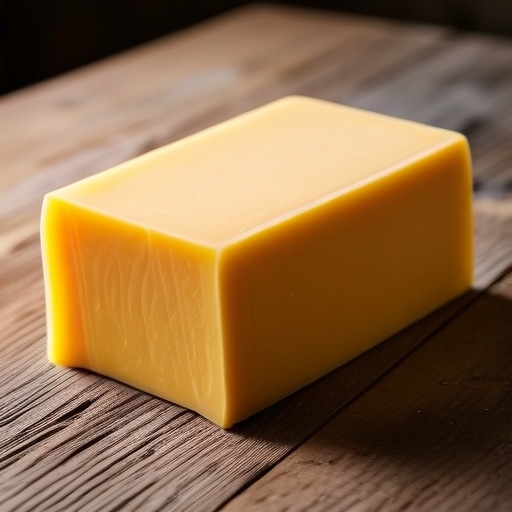
Welcome, fellow food lovers, to an in-depth exploration of one of the world’s most beloved cheeses! Today, we’re diving deep into All About Cheddar Cheese. From humble beginnings in a small English village to gracing tables and recipes across the globe, Cheddar is a culinary cornerstone. Its versatility, range of flavors, and satisfying texture make it a staple in countless kitchens and a favorite for casual snacking alike. Join us as we uncover the fascinating story and delicious facts behind this iconic dairy delight.
1. History of Cheddar Cheese
The journey of Cheddar cheese is as rich and layered as its flavor, steeped in centuries of tradition and innovation.
Origins in Somerset
Our story begins in the picturesque village of Cheddar, nestled in Somerset, England. This charming locale, famous for its dramatic gorge and ancient caves, provided the perfect natural conditions for cheesemaking. The cool, constant humidity of the caves offered an ideal environment for maturing cheese, a practice that dates back to the 12th century. Historical records suggest that King Henry II declared Cheddar the best cheese in England, even purchasing large quantities for his royal banquets.
The Father of Cheddar
While Cheddar’s origins are ancient, its widespread popularity and standardized production owe much to one man: Joseph Harding. In the mid-19th century, Harding revolutionized cheesemaking with his scientific approach and innovative techniques. He introduced standardized equipment and methods, making the production process more consistent and efficient. His work earned him the title “The Father of Cheddar,” and his principles laid the groundwork for the modern Cheddar cheese we enjoy today.
2. Types of Cheddar Cheese
One of the most captivating aspects of Cheddar is its incredible diversity, primarily influenced by its age and the subtle additions made during production. Understanding the differences between sharp vs mild cheddar flavor is key to appreciating this range.

Flavor Profiles by Age
- Mild Cheddar: Typically aged for a relatively short period, usually 2-3 months. It boasts a creamy texture and a gentle, buttery flavor with subtle tanginess. Mild Cheddar is a crowd-pleaser, perfect for everyday use.
- Sharp Cheddar: Aged for a longer duration, generally 6-9 months. This extra time allows the flavor to develop, resulting in a more distinct, tangy, and complex profile with a firmer texture.
- Extra Sharp & Vintage Cheddar: These varieties are aged for 12 months or more, sometimes up to several years. The extended aging process transforms the cheese, giving it a dry, crumbly texture and an incredibly intense, pungent flavor with a characteristic “bite” that connoisseurs adore.
Color Variations
- White Cheddar: This is Cheddar in its natural state. Without any added coloring, the cheese retains a pale ivory or off-white hue, reflecting the natural color of the milk.
- Orange Cheddar: The vibrant orange color commonly associated with Cheddar is achieved by adding a natural plant extract called Annatto. This practice began centuries ago, often to signify richness or to standardize appearance across different batches, and it has no impact on the flavor.
Specialty Varieties
Beyond age and color, Cheddar also comes in exciting specialty forms:
- Smoked Cheddar: Infused with smoky flavors, often from hickory or applewood, adding another dimension of taste.
- Clothbound Cheddar: A traditional method where the cheese is wrapped in cheesecloth, allowing it to breathe and develop a more earthy, complex rind and flavor.
- Waxed Cheddar: Encased in a protective wax coating, which helps to preserve moisture and flavor during aging.
3. Nutritional Profile
Beyond its delicious taste, Cheddar cheese also offers a robust nutritional profile. Understanding Cheddar cheese nutrition facts can help you enjoy it as part of a balanced diet.
Macronutrients
Cheddar is a potent source of energy and essential building blocks for the body:
- Protein Content: It’s an excellent source of high-quality protein, crucial for muscle repair and growth.
- Fat Percentage: Like most cheeses, Cheddar contains a significant amount of fat, primarily saturated fat, which contributes to its rich flavor and texture.
- Zero Carbohydrates: Natural Cheddar cheese is virtually carbohydrate-free, making it suitable for low-carb diets.
Vitamins & Minerals
Cheddar is packed with vital micronutrients:
- High Calcium Source: One of its most notable benefits is its high calcium content, essential for strong bones and teeth.
- Vitamin A: Important for vision, immune function, and skin health.
- Phosphorus: Works alongside calcium to build strong bones and is involved in energy metabolism.
Dietary Considerations
For those with lactose sensitivity, there’s good news. As Cheddar cheese ages, the lactose content naturally breaks down. This means that aged cheddar health benefits often include being naturally very low in lactose, making it a more digestible option for many individuals who are otherwise sensitive to dairy products.
4. How It’s Made: The Cheddaring Process
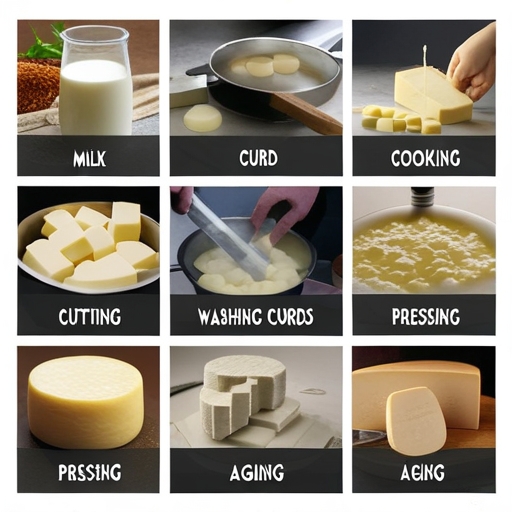
The unique, labor-intensive process of how Cheddar cheese is made is what gives it its distinctive texture and flavor. This method, known as “Cheddaring,” sets it apart from other cheeses.
- Milk Preparation: Fresh cow’s milk is gently warmed, and starter cultures are added. These beneficial bacteria begin to convert lactose into lactic acid, initiating the acidification process. Rennet, a natural enzyme, is then introduced to coagulate the milk, forming a solid curd.
- Cutting the Curd: Once the curd is firm, it’s cut into small, uniform cubes using specialized knives. This helps to expel whey (the liquid portion of the milk) from the solid curds. The curds are then gently heated and stirred, further encouraging whey separation.
- Cheddaring: This is the hallmark step. The curds are drained and then stacked into large blocks on a cheddaring table. These blocks are repeatedly turned, flipped, and restacked. This unique process compresses the curds, expelling more whey, and, most importantly, allows the lactic acid to develop further, giving Cheddar its characteristic texture and acidity.
- Milling and Salting: After cheddaring, the large blocks of curd are milled or cut into smaller pieces. Salt is then evenly mixed into the curds. Salting is crucial for flavor development, acting as a preservative, and drawing out residual moisture.
- Pressing and Aging: The salted curds are packed into molds and pressed under significant weight for several hours or even days. This fuses the curds into a solid wheel or block, giving the cheese its final shape. Finally, the cheese is moved to controlled environments for aging, where temperature and humidity are carefully maintained. Over weeks, months, or even years, the Cheddar develops its characteristic aroma, flavor, and texture.
5. Popular Culinary Uses
Cheddar’s robust flavor and excellent melting properties make it an incredibly versatile ingredient, indispensable for cooking with Cheddar cheese in a myriad of dishes.
Melting Qualities
Cheddar excels when melted. Its ability to melt smoothly and evenly makes it ideal for:
- Sauces: Think creamy cheese sauces for macaroni and cheese, casseroles, or drizzling over steamed vegetables.
- Soups: Lending body and richness to hearty potato-cheddar soups or broccol-cheddar bisques.
- Grilled Sandwiches: The quintessential grilled cheese, where Cheddar delivers that perfect gooey stretch.
- Toppings: A fantastic topping for baked potatoes, nachos, chili, or even a classic shepherd’s pie.
Pairings
Cheddar is also a star on its own or paired with complementary flavors:
- Wines: Younger Cheddars pair well with crisp whites like Chardonnay or Sauvignon Blanc, while aged, sharp Cheddars can stand up to robust reds such as Cabernet Sauvignon or Zinfandel.
- Beers: A classic pairing, Cheddar complements a variety of beers. Try a mild Cheddar with a crisp Pale Ale, or an extra sharp vintage with a rich Stout or Porter.
- Fruits & Chutneys: Apples, pears, grapes, and various fruit chutneys offer a delightful contrast to Cheddar’s savory notes.
Snacking
For a simple, satisfying treat, Cheddar is perfect:
- Crackers: A timeless combination.
- Fruits: Sliced apples or pears provide a refreshing counterpoint.
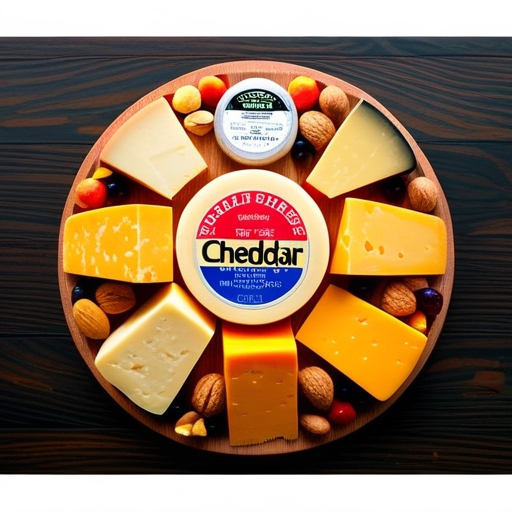
- Charcuterie Boards: An essential component, adding a familiar and beloved flavor profile.
- On its Own: Sometimes, the best way to enjoy a good Cheddar is simply by itself, savoring each bite.
For those seeking the best Cheddar cheese recipes, look no further than hearty baked dishes like beef and bean chili, rich breakfast casseroles with eggs and potatoes, or classic homemade cheeseburgers, where Cheddar’s flavor truly shines.
6. Cheddar Around the World
While its heart lies in Somerset, Cheddar has traveled far and wide, adapting to new regions and tastes.
Beyond the UK, Cheddar-style cheeses are produced globally. Major cheese-producing nations like the United States, Canada, and Australia have developed their own distinct versions, often reflecting local milk characteristics and cheesemaking traditions. These regional variations contribute to the broad spectrum of flavors and textures available today.
In a testament to its heritage, West Country Farmhouse Cheddar holds a Protected Designation of Origin (PDO) status in Europe. This legal protection ensures that only Cheddar made in the traditional way within the designated counties of Dorset, Somerset, Devon, or Cornwall, using local milk, can bear this specific name, safeguarding its authentic quality and origin.
7. Storing and Serving Best Practices
To fully appreciate the nuanced flavors of this magnificent cheese, proper handling is key. Knowing storing Cheddar cheese properly and serving it correctly can make a world of difference.

Storage
- Wrapping: Avoid tightly wrapping Cheddar in plastic wrap, as it can trap moisture and cause the cheese to sweat, leading to mold or off-flavors. Instead, wrap it loosely in wax paper or specialized cheese paper, then place it in a breathable container or a loosely sealed plastic bag. This allows the cheese to breathe while protecting it from drying out.
- Refrigeration: Store Cheddar in the warmest part of your refrigerator, such as the cheese drawer or a crisper drawer, where the temperature is more stable.
Serving Temperature
The biggest secret to maximizing Cheddar’s flavor is serving it at the right temperature. Remove your cheese from the refrigerator at least 30-60 minutes before serving, allowing it to come to room temperature. This process softens the fat and allows the complex aromas and flavors to fully develop and become more pronounced on your palate.
Cutting Techniques
How you cut Cheddar can also enhance its enjoyment:
- Wedges: For a wheel or larger block, cut it into triangular wedges.
- Blocks: For smaller blocks, slice it into thin pieces or cube it for snacking.
- Shredding: For cooking, shredding Cheddar ensures even melting and distribution.
8. Common Misconceptions
Despite its popularity, Cheddar cheese is often subject to several misunderstandings that can obscure its true nature.
- The Myth of Orange Cheese Being “Fake”: Many assume that orange Cheddar is artificial or inferior to white Cheddar. As discussed, the orange hue simply comes from Annatto, a natural vegetable dye, and has no impact on flavor or quality. Both white and orange Cheddar can be natural, high-quality cheeses.
- Clarifying the Fat Content Relative to Other Cheeses: While Cheddar is known for its rich flavor, which comes from its fat content, it’s not necessarily “fattening” compared to all other cheeses. Its nutritional profile, including high protein and calcium, makes it a valuable food in moderation.
- Differences Between Processed “American” Cheddar and Natural Cheddar: This is a crucial distinction. Processed cheese products labeled “American cheese” often contain a blend of cheeses (which may include some Cheddar), emulsifiers, and other ingredients designed for extreme meltability and shelf stability. Natural Cheddar, however, is a traditional, aged cheese made from milk, cultures, rennet, and salt, offering a far more complex and authentic flavor and texture.
9. Frequently Asked Questions (FAQs)
What are the differences between Cheddar and Gouda?
While both are popular semi-hard cheeses, their origins, production, and flavor profiles differ significantly. Cheddar, from England, undergoes the unique “Cheddaring” process, resulting in a firm, often crumbly texture and a distinctly tangy, savory flavor that intensifies with age. Gouda, originating from the Netherlands, is typically washed-curd cheese, which removes lactic acid and results in a sweeter, nuttier, and milder flavor, often with caramel notes, and a creamier, denser texture. Aged Goudas can develop crunchy protein crystals.
Is Cheddar cheese suitable for lactose intolerance?
Yes, especially aged varieties! During the cheesemaking process, the lactose (milk sugar) in Cheddar is converted into lactic acid by bacteria. The longer Cheddar ages, the more lactose is broken down. Most sharp or extra sharp Cheddars contain negligible amounts of lactose, making them generally well-tolerated by individuals with mild to moderate lactose intolerance. Mild Cheddar will have slightly more, but still less than fresh dairy products.
How can you tell if Cheddar cheese has gone bad?
You can identify spoiled Cheddar by several signs. First, look for visible mold that is not part of the cheese’s natural rind (e.g., fuzzy green, black, or pink spots on the cheese itself). Second, check for a strong, unpleasant ammonia-like smell or a distinct sour odor that differs from its usual tangy aroma. Third, feel its texture; if it becomes slimy or excessively hard and dry, it’s likely past its prime. While a small amount of surface mold on hard cheeses like Cheddar can sometimes be cut off, it’s best to discard the cheese if the mold is extensive, spreads into the interior, or if the smell or texture is off.
Conclusion
Our journey through All About Cheddar Cheese reveals a dairy product of remarkable depth and enduring appeal. From its ancient origins in the caves of Somerset to its modern status as a global culinary superstar, Cheddar’s story is one of tradition, innovation, and delicious versatility. Whether you prefer the creamy subtlety of a mild variety or the intense bite of a vintage extra sharp, there’s a Cheddar for every palate and every dish.
So next time you’re planning a meal or a simple snack, remember the rich heritage and diverse flavors that this incredible cheese brings to the table. We encourage you to explore the wonderful world of Cheddar – try different aged varieties, experiment with pairings, and discover new ways to enjoy this truly exceptional cheese.
Classic Baked Sharp Cheddar Mac and Cheese
Ingredients
- 1 lb elbow macaroni dried
- 1/2 cup unsalted butter plus extra for greasing
- 1/2 cup all-purpose flour
- 4 cups whole milk warmed
- 6 cups sharp cheddar cheese freshly grated, divided
- 1 tsp salt
- 1/2 tsp black pepper freshly ground
- 1 tsp dry mustard powder
Instructions
- Preheat your oven to 350°F (175°C) and lightly butter a 9x13 inch baking dish.
- Bring a large pot of salted water to a boil; add the elbow macaroni and cook until al dente, then drain and set aside.
- In a large saucepan or Dutch oven, melt the butter over medium heat. Whisk in the flour and cook for about 1 minute, stirring constantly to remove the raw flour taste.
- Gradually pour in the warmed milk while whisking vigorously to prevent lumps. Simmer for 5 minutes or until the sauce has thickened significantly.
- Remove the saucepan from the heat. Stir in the salt, black pepper, dry mustard powder, and 4 cups of the grated sharp cheddar cheese until fully melted and smooth.
- Add the cooked macaroni to the cheese sauce and stir until the pasta is evenly coated.
- Pour the mixture into the prepared baking dish and top evenly with the remaining 2 cups of grated cheddar cheese.
- Bake in the preheated oven for 20 to 25 minutes, or until the cheese is bubbly and the top is golden brown. Let stand for 5 minutes before serving.
For more daily recipes and tips, follow us on Facebook!
Click here to join our community!