There are few things as comforting and truly satisfying as a hearty Southern breakfast, and at the heart of many cherished memories lies the incredible flavor of homemade gravy. Today, we’re diving deep into the soul-warming world of a true classic: the Sawmill Gravy Recipe. This isn’t just any gravy; it’s a rich, creamy country gravy steeped in history, born from the rugged spirit of Southern logging camps and refined over generations into a staple of hospitality.
Historically, this robust gravy was the fuel that powered lumberjacks through long days. Legend has it, early versions might have even incorporated cornmeal, leading to a grittier “sawdust” texture. But fear not, the Sawmill Gravy we celebrate today has evolved into a smooth, flour-based roux creation, perfected for drizzling generously over fluffy biscuits. It’s more than just a dish; it’s an enduring symbol of Southern comfort food and a delicious cornerstone of any substantial lumberjack breakfast.

The Essential Ingredients
Crafting the perfect Sawmill Gravy is all about understanding the synergy between a few simple, high-quality ingredients. Each plays a critical role in developing that signature creamy texture and savory depth.
- The Meat: Choosing the Right Beef Breakfast Sausage
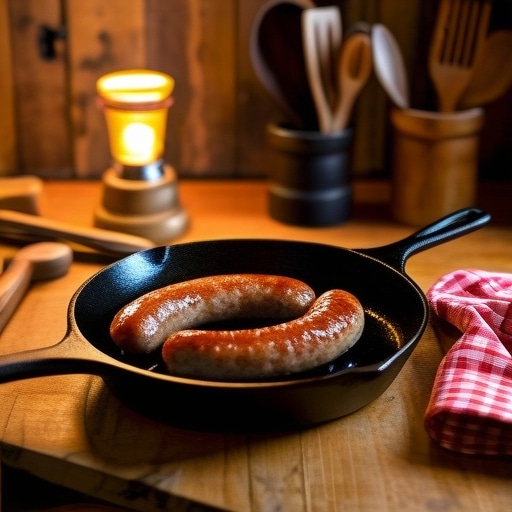
The foundation of our Sawmill Gravy starts with beef breakfast sausage. You want a good quality, flavorful beef sausage with a decent fat content. The fat is crucial for rendering, creating the base for our roux, and infusing the gravy with incredible savory flavor. Look for a coarsely ground beef sausage that will brown beautifully and leave behind those coveted browned bits (fond) in the skillet. - The Roux: The Importance of All-Purpose Flour and Fat Ratios
The roux is the thickening agent and flavor developer. You’ll need plain all-purpose flour. The key here is the correct fat-to-flour ratio – typically equal parts by volume. This creates a smooth paste that cooks out the raw flour taste and helps achieve that luscious consistency. - The Liquid: Why Whole Milk Creates the Best Creamy Consistency
For that signature silky, creamy country gravy, whole milk is non-negotiable. Its higher fat content contributes to a richer mouthfeel and helps create a more stable emulsion, preventing a thin, watery gravy. While you could use lower-fat milk, it won’t yield the same luxurious result. - The Seasoning: The Non-Negotiable Role of Coarse Black Pepper
Beyond salt, coarse black pepper is the star seasoning here. It adds a crucial punch of flavor and a visible speckling that is characteristic of traditional milk gravy. Don’t be shy with the pepper; it’s essential for that authentic taste. A good pinch of salt, adjusted to taste, balances the flavors perfectly.
Mastering the Technique
While the ingredients are simple, the technique is where the magic truly happens. Follow these steps for a flawless, easy skillet gravy every time.
1. Rendering the Flavor
The first step is about extracting maximum flavor from your beef. Crumble your beef breakfast sausage into a heavy-bottomed skillet over medium heat. Cook, breaking up the meat with a spoon, until it’s thoroughly browned and no pink remains. This process is vital for two reasons: it cooks the beef and, more importantly, it renders out the flavorful beef fat. Those caramelized bits stuck to the bottom of the pan? That’s called fond, and it’s pure flavor gold! Once the beef is cooked, remove it from the skillet with a slotted spoon, leaving behind the rendered beef fat. You’ll want about 1/4 cup of fat remaining; if you have too much, spoon some out. If not enough, add a tablespoon of butter to reach the desired amount.
2. Cooking the Roux
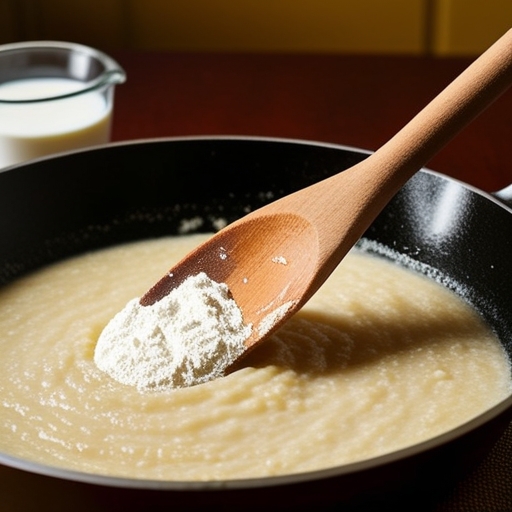
With your beef fat shimmering in the skillet, it’s time for the roux. Gradually sprinkle the all-purpose flour into the hot fat, whisking constantly to create a smooth paste. Continue to cook this mixture over medium-low heat for 1-2 minutes, whisking continually. This crucial step cooks out the raw flour taste. You’re aiming for a “blonde” roux – a pale golden color, not dark. Don’t rush this; undercooked flour will give your gravy a pasty taste.

3. Emulsification
Now for the transformation! Slowly, in a thin, steady stream, begin pouring the whole milk into the roux while vigorously whisking. The slow-pour technique is paramount here, as it allows the liquid to be gradually incorporated and prevents lumps from forming. As you add the milk, the mixture will thicken. Continue whisking until all the milk is incorporated and the gravy begins to smooth out. Bring the mixture to a gentle simmer, stirring occasionally. Let it simmer for 5-7 minutes, allowing it to thicken to your signature coating consistency – it should be thick enough to cling to the back of a spoon. During this stage, the flavors will meld and deepen, creating that perfect traditional milk gravy.
Common Pitfalls and Fixes
Even seasoned cooks can encounter a hiccup or two. Here are quick fixes for common gravy dilemmas:

- Too Thick: How to Thin It Out with a Splash of Milk or Broth
If your gravy has become too dense, simply whisk in an additional splash of warm whole milk or even a bit of beef broth, a tablespoon at a time, until it reaches your desired consistency. Don’t add cold liquid, as it can cause temperature shock and potential lumps. - Too Lumpy: Whisking Techniques and When to Strain
Lumps usually form from adding liquid too quickly or not whisking enough. If you find yourself with a lumpy gravy, don’t despair! Whisk vigorously to break up smaller lumps. For persistent lumps, you can push the gravy through a fine-mesh sieve or a colander lined with cheesecloth. This will leave you with a perfectly smooth, creamy country gravy. - Lack of Flavor: Adjusting Salt and Pepper at the End
It’s always best to season gradually and taste as you go. If your Sawmill Gravy tastes a bit bland, don’t hesitate to add more salt and especially that coarse black pepper. A pinch of cayenne pepper can also add a subtle warmth without making it spicy, enhancing the overall savory profile.
“A truly great Sawmill Gravy isn’t just about the taste; it’s about the texture – velvety smooth, rich, and thick enough to lovingly hug every curve of a fresh biscuit.”
Serving Suggestions
The beauty of a well-made Sawmill Gravy is its versatility, making it a star in any hearty breakfast ideas lineup. Here are some classic and creative ways to enjoy your homemade creation:
- Classic Pairing with Buttermilk Biscuits: This is the undisputed champion. There’s nothing quite like warm, flaky buttermilk biscuits smothered in a generous pour of hot, beef sausage gravy. It’s the quintessential homemade biscuits and gravy experience.
- Smothering Chicken Fried Steak (Country Fried Steak): Elevate your Chicken Fried Steak (also known as Country Fried Steak in many Southern kitchens) to new heights. The creamy, peppery gravy complements the crispy fried steak perfectly, making for an incredibly satisfying meal.
- Pouring Over Hash Browns or Toast for a Simple Variation: For a quick and easy skillet gravy meal, serve it over crispy hash browns or thick slices of buttered toast. It’s a wonderfully simple yet utterly delicious way to enjoy the rich flavors.
- As a Topping for Grits or Eggs: Don’t limit yourself to just biscuits. A spoonful of Sawmill Gravy adds incredible richness to a bowl of creamy grits or can transform a plate of scrambled or fried eggs into a substantial Southern breakfast.
Frequently Asked Questions
What are the origins of the name “Sawmill Gravy”?
The name “Sawmill Gravy” traces its roots back to the logging camps of the American South. Lumberjacks, engaged in physically demanding work, needed substantial, calorie-dense meals to sustain them. This gravy, made from the fat and bits of breakfast meat (historically beef) cooked in a skillet, along with flour and milk, provided a hearty, affordable, and incredibly filling sauce to pour over biscuits or cornbread. The “sawmill” name likely emerged from its widespread consumption in these rugged, wooded environments.
How do I store and reheat leftover Sawmill Gravy?
Leftover Sawmill Gravy should be stored in an airtight container in the refrigerator for up to 3-4 days. To reheat, gently warm it on the stovetop over low heat, stirring frequently. Gravy tends to thicken considerably as it cools, so you’ll likely need to thin it out. Whisk in a splash of warm milk or beef broth until it reaches your desired consistency. Avoid boiling, as this can cause the gravy to separate or become grainy.
What are the differences between Country Gravy and Sawmill Gravy?
While often used interchangeably and sharing many characteristics, there’s a subtle distinction. “Country Gravy” is a broad term for a white, flour-based gravy made with fat and milk, typically served in Southern breakfast recipes. It can be plain, or it can incorporate various meat drippings. “Sawmill Gravy,” on the other hand, specifically implies that the gravy is made using the drippings and flavorful bits from cooked meat, most commonly beef breakfast sausage, making it a more specific type of country gravy with a distinct savory depth from the meat.

Classic Southern Beef Sawmill Gravy
Ingredients
- 1 lb beef breakfast sausage ground, bulk style
- 1/3 cup all-purpose flour sifted
- 3 cups whole milk warmed slightly
- 1 tbsp unsalted butter optional, if beef is lean
- 2 tsp black pepper coarsely ground, plus more to taste
- 1/2 tsp salt adjust to taste
- 1/4 tsp rubbed sage dried
- 1/4 tsp dried thyme optional
Instructions
- Heat a large cast-iron skillet over medium-high heat. Add the beef breakfast sausage.
- Break the meat apart with a wooden spoon, cooking for 8-10 minutes until fully browned and no pink remains. Do not drain the fat, as this is essential for the gravy base.
- Reduce heat to medium. Sprinkle the flour evenly over the browned meat. Stir constantly for 2-3 minutes to cook out the raw flour taste and allow the flour to absorb the rendered fat. If the mixture looks too dry, melt in the optional tablespoon of butter.
- Slowly pour in the warm milk, about one cup at a time, whisking constantly to prevent lumps from forming.
- Stir in the black pepper, salt, sage, and thyme. Bring the mixture to a gentle simmer.
- Reduce heat to low and let the gravy cook for 5-8 minutes, stirring occasionally, until it thickens enough to coat the back of a spoon.
- Taste and adjust seasoning with more salt or plenty of black pepper if desired. Serve immediately over warm biscuits.
For more daily recipes and tips, follow us on Facebook!
Click here to join our community!