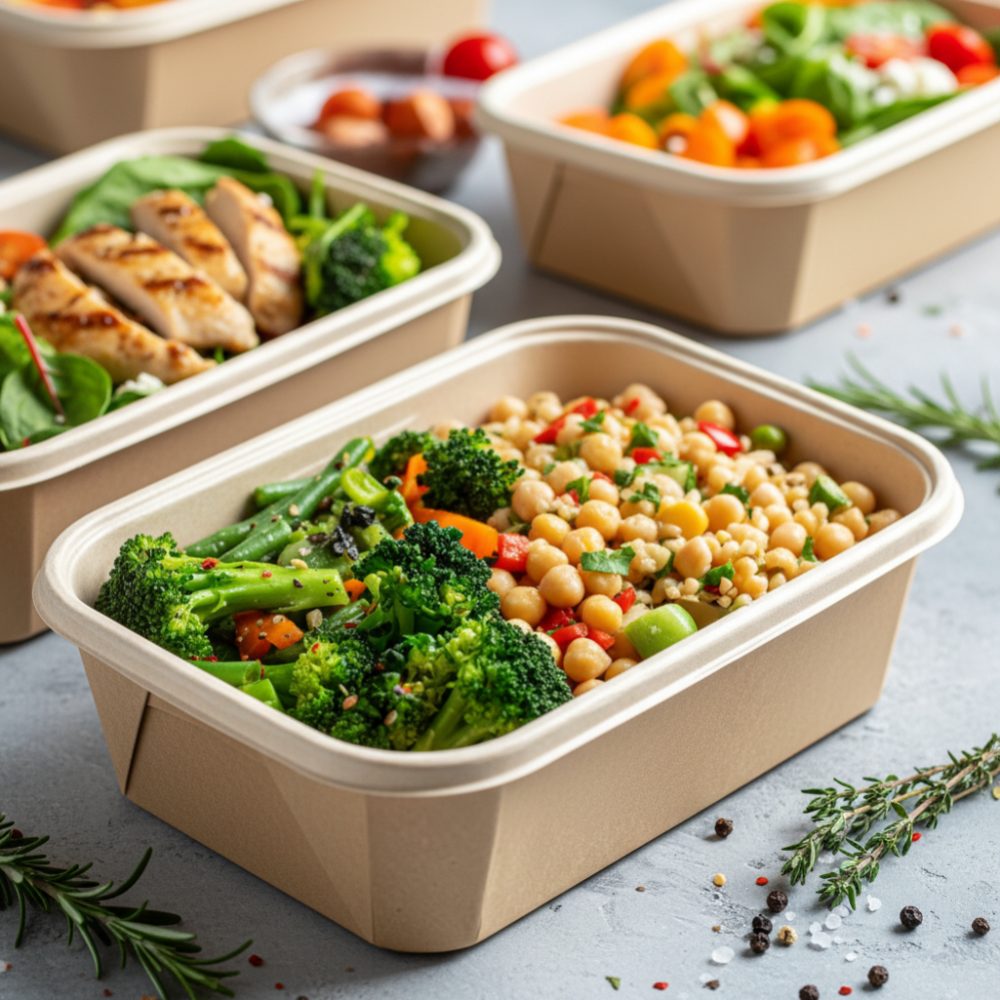
Living with a GLP-1 medication like semaglutide or tirzepatide often means re-evaluating your eating habits. Finding satisfying and stomach-gentle dinners can be a cornerstone of a successful GLP-1 diet plan. This isn’t just about weight loss; it’s about supporting your body as it adapts to new metabolic signals. The right Glp 1 dinner ideas can significantly impact your comfort, energy levels, and overall progress. We focus on meals that are high in protein, low in unhealthy fats, and gentle on digestion, ensuring you feel full and nourished without triggering unwelcome side effects. Making informed food choices at dinner is crucial for maintaining stable blood sugar through the night and avoiding next-day cravings, contributing to sustainable weight management.
Introduction to GLP-1 Friendly Eating
Understanding how GLP-1 agonists work is key to crafting an effective meal strategy. Medications like semaglutide and tirzepatide mimic natural hormones that regulate appetite, slow gastric emptying, and promote feelings of fullness. This means smaller portions can lead to greater satiety, but it also means your digestive system might be more sensitive. The goal is to maximize nutrition density in smaller volumes of food.
Why do high protein and low GI foods matter so much for those on GLP-1 medications? Protein is the champion of satiety. It helps you feel full longer and preserves muscle mass during weight loss, making it essential for protein meals for weight loss. Lean protein sources should be a central component of all your meals, especially dinner. Low Glycemic Index (GI) foods, on the other hand, release sugar into your bloodstream slowly, preventing spikes and crashes that can lead to hunger and fatigue. Opting for low GI dinner swaps, such as whole grains, specific vegetables, and legumes, helps maintain stable energy and supports the GLP-1’s action in blood sugar regulation. These choices are fundamental to a sustainable glp-1 diet plan.
Managing Nausea Through Food Choices
One of the more challenging side effects of GLP-1 medications can be nausea, particularly when first starting or increasing dosage. Crafting nausea friendly dinner options is paramount. The key is to select foods that are easy to digest and avoid common triggers.
Incorporating ingredients known for their calming effects on the stomach can make a significant difference. Ginger is a classic example. Fresh ginger, in small amounts, can be soothing and add a pleasant flavor without being overpowering. Gentle fibers from cooked vegetables, rather than raw, can also be easier to tolerate. Think steamed or lightly sautéed instead of a large raw salad.
Conversely, it is essential to understand what to avoid. Heavy, greasy, or high-fat foods are often major culprits for exacerbating nausea. These foods take longer to digest due to slowed gastric emptying caused by GLP-1s, leading to prolonged feelings of fullness and potential discomfort. Fried foods, rich sauces, and large amounts of dairy should be minimized or entirely avoided in your evening meals. Instead, focus on stomach gentle dinners that are lean, simply prepared, and provide steady, digestible nutrients. Prioritizing high protein low fat meals can not only support weight loss but also significantly reduce the likelihood of digestive distress.
Structure of a Proper Dinner
For individuals on GLP-1 medications, the structure of dinner becomes particularly important. It’s not just about what you eat, but also how much and how you consume it.
Portion control is non-negotiable. Because GLP-1s slow digestion and enhance satiety, overeating can lead to discomfort, nausea, or even vomiting. Start with smaller portions than you might have eaten before, and listen carefully to your body’s signals of fullness. It is often recommended to eat until you are *satisfied*, not stuffed. Pacing your meal is equally important. Eating slowly allows your body time to register fullness signals. Put your fork down between bites, engage in conversation, and take your time. Rushing through a meal can easily lead to overconsumption before your brain can catch up with your stomach.
Hydration guidelines around meal times also play a crucial role in digestive comfort. While staying hydrated throughout the day is vital, some find that drinking large quantities of liquids immediately before or during a meal can contribute to feeling overly full quickly or even dilute digestive enzymes, making digestion less efficient. It is often recommended to sip water between meals and limit liquid intake during the meal itself, especially for those experiencing slowed gastric emptying. If you do drink during dinner, small sips of plain water are best.
Featured Recipe: Ginger Beef and Zucchini Noodle Bowl
This recipe for a Ginger Beef and Zucchini Noodle Bowl exemplifies Glp 1 dinner ideas perfectly. It is a fantastic example of semaglutide friendly meals and tirzepatide meal plan compliance, offering high protein, low fat, and easy digestibility. The lean beef provides essential protein, while zucchini noodles offer a low-carb, low-GI alternative to traditional pasta, making it a perfect low GI dinner swap. The ginger contributes a soothing element, aiding in a nausea friendly dinner.
* Prep time: 15 minutes
* Cook time: 15 minutes
Ingredients:
- 16 oz Lean ground beef (93% lean)
- 4 cups Zucchini noodles
- 1 tbsp Fresh ginger (minced)
- 2 cloves Garlic (minced)
- 3 tbsp Low-sodium soy sauce
- 1 tsp Sesame oil
Instructions:
- Heat 1 tsp sesame oil in a large non-stick skillet over medium heat. Ensure the oil is shimmering but not smoking.
- Add 2 cloves of minced garlic and 1 tbsp of fresh minced ginger to the skillet. Sauté these aromatics for 1 minute until they become fragrant, being careful not to burn them.
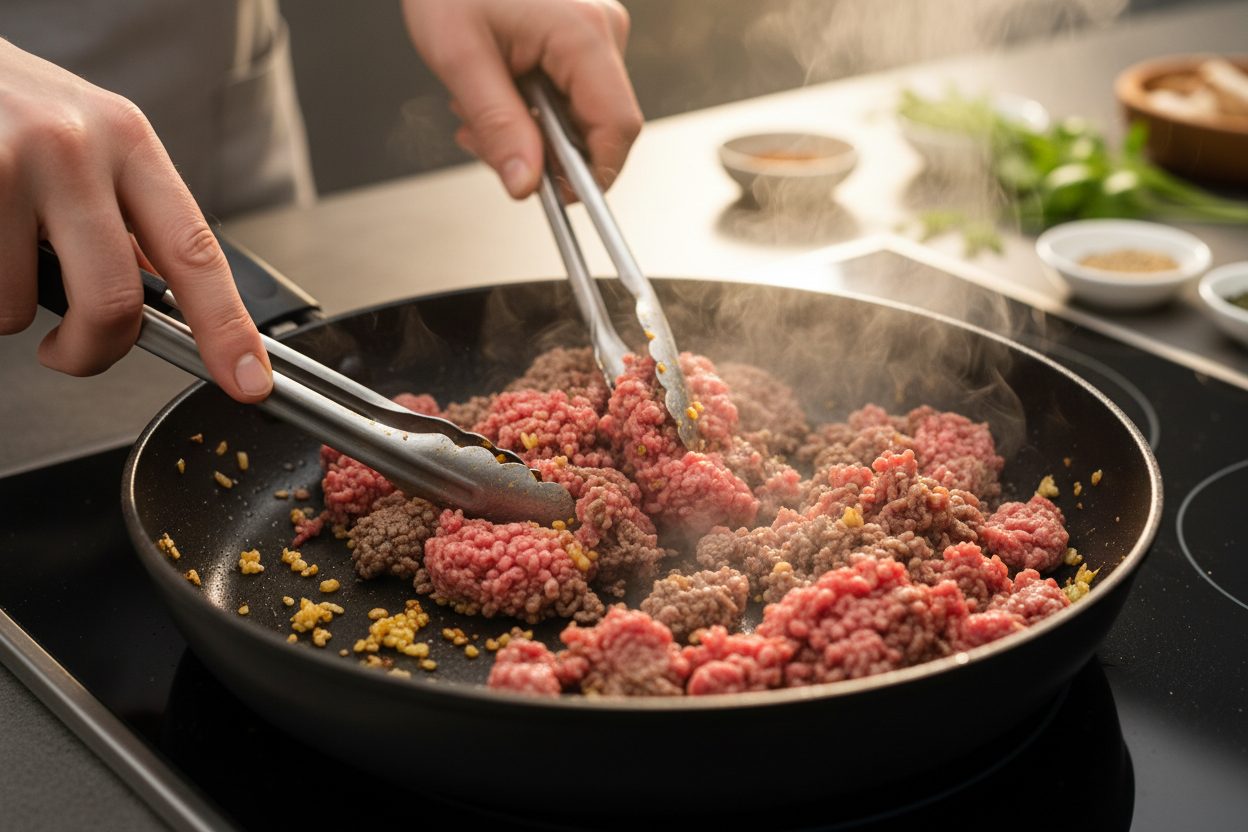
- Add the 16 oz of lean ground beef (93% lean) to the skillet. Break the beef apart with a spatula or wooden spoon as it cooks. Continue to cook until the beef is fully browned throughout and no pink remains, typically about 5-7 minutes.
- Once the beef is browned, stir in the 3 tbsp of low-sodium soy sauce. Allow the mixture to simmer gently for 2 minutes, letting the flavors meld and the sauce slightly reduce.
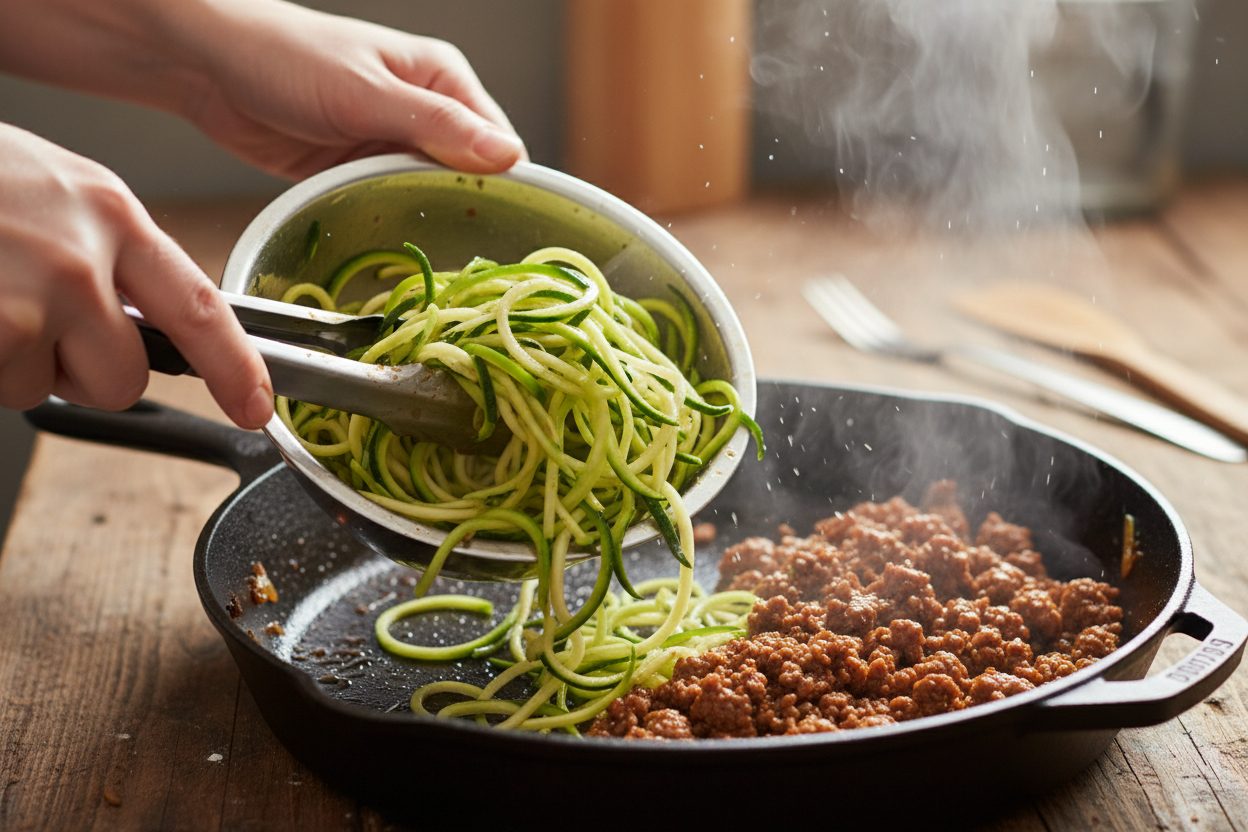
- Toss in the 4 cups of zucchini noodles. Cook for an additional 2 to 3 minutes, stirring occasionally. The goal is for the zucchini noodles to be slightly softened but still retain a pleasant crispness, not becoming mushy.
- Divide the Ginger Beef and Zucchini Noodle Bowl into portions and serve immediately to maintain optimal texture and warmth.
Other Great Meal Options
Beyond our featured recipe, many other options fit the criteria for foods to eat on glp-1 and contribute to high protein low fat meals. The key is simplicity, lean proteins, and plenty of non-starchy vegetables.
A classic and highly effective choice is lean poultry with roasted root vegetables. Consider baked or grilled chicken breast or turkey tenderloin. For vegetables, carrots and parsnips are excellent choices for their lower GI and natural sweetness when roasted. Slice them, toss with a minimal amount of olive oil, and roast until tender. This combination provides substantial protein and easily digestible carbohydrates, making it a wonderful stomach gentle dinner.
Another excellent option is baked fish with steamed asparagus. White fish like cod, haddock, or even a lean salmon provides healthy fats and high-quality protein. Baking keeps the fat content low. Pair this with steamed asparagus, a low-calorie, fiber-rich vegetable that is gentle on the digestive system. This meal is light, satisfying, and perfect for a nausea friendly dinner. Both of these suggestions make ideal additions to any tirzepatide meal plan or glp-1 diet plan.
Conclusion
Navigating meals while on GLP-1 medications can be a journey of adjustment and discovery. The principles of incorporating high protein low fat meals, focusing on low GI dinner swaps, and prioritizing stomach gentle dinners are central to success. Consistency in the diet plan is paramount. Sticking to a routine of mindful eating and choosing semaglutide friendly meals will yield the best results for your weight loss goals and overall well-being.
Remember to continue tracking progress and adjusting portions as your body adapts. Your tolerance for certain foods and your satiety signals may change over time. Listen to your body, consult with your healthcare provider or a dietitian for personalized advice, and embrace these delicious, effective Glp 1 dinner ideas. Finding comfort and satisfaction in your meals is entirely possible.
For more wholesome recipes, tips, and a supportive community, make sure to follow our Facebook page. We share regular updates to help you thrive on your GLP-1 journey.
Ginger Beef and Zucchini Noodle Bowl
Ingredients
- 16 oz Lean ground beef (93% lean) Choose extra lean to prevent delayed gastric emptying discomfort.
- 4 cups Zucchini noodles Freshly spiralized or pre-packaged.
- 1 tbsp Fresh ginger Minced. Essential for nausea relief.
- 2 cloves Garlic Minced.
- 3 tbsp Low-sodium soy sauce Can substitute with tamari for gluten-free.
- 1 tsp Sesame oil Use sparingly to limit fat content.
Instructions
- Heat sesame oil in a large non-stick skillet over medium heat.
- Add minced garlic and fresh ginger, sautéing for 1 minute until fragrant.
- Add the lean ground beef to the skillet, breaking it apart and cooking until fully browned.
- Stir in the low-sodium soy sauce and simmer for 2 minutes.
- Toss in the zucchini noodles and cook for an additional 2 to 3 minutes until slightly softened but still crisp.
- Divide into portions and serve immediately to maintain optimal texture.
For more daily recipes and tips, follow us on Facebook!
Click here to join our community!