Authentic Southern Rice Meal
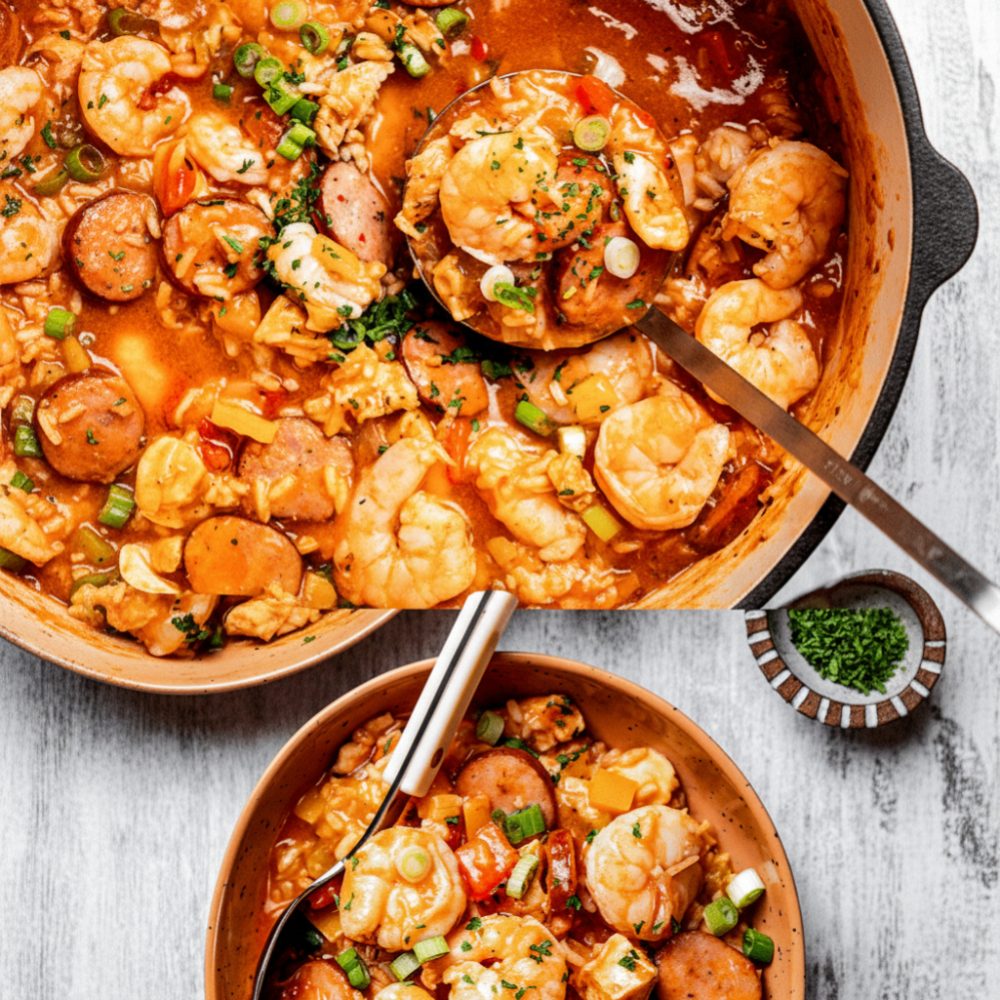
Jambalaya holds a special place in Southern comfort food traditions. This classic Creole cooking dish brings together a medley of flavors and textures in a single pot. Its history is as rich and layered as its taste. Originating in Louisiana, jambalaya reflects the diverse cultural influences of the region, blending French, Spanish, and West African culinary practices. It is a hearty and satisfying meal, perfect for gatherings or a robust family dinner. The beauty of this Jambalaya recipe lies in its simplicity and the depth of flavor achieved through careful layering of ingredients. It stands as a testament to resourceful cooking, making the most of available proteins and staple ingredients. This flavorful shrimp and chicken rice dish is more than just a meal; it is a celebration of Southern heritage. Preparing jambalaya is an approachable culinary endeavor, resulting in a deeply satisfying one-pot meal.
Key Ingredients
The foundation of any great jambalaya relies on carefully selected components. Each ingredient plays a crucial role in developing the complex flavor profile. Understanding these building blocks ensures a truly authentic experience.
The Holy Trinity
At the heart of Creole and Cajun cuisine lies the “Holy Trinity.” This essential aromatic base provides the backbone for countless dishes, including our Jambalaya recipe. It consists of three fundamental vegetables:
- Onions: They contribute a sweet and pungent depth. As they caramelize, they release sugars that enrich the stew.
- Green Bell Peppers: These add a fresh, slightly bitter note, balancing the richness of other ingredients. They also provide vital color and texture.
- Celery: Offering an earthy, aromatic quality, celery rounds out the flavor profile. Its crisp texture softens beautifully during cooking.
These three ingredients are sautéed together, creating a fragrant foundation upon which all other flavors are built. They are indispensable for achieving genuine Southern taste.
Protein Selection
The protein component is central to the heartiness of this simmered dinner. For this recipe, we combine several elements to create a diverse and satisfying texture and flavor.
- Smoked Beef Sausage: This provides a smoky, savory element and a firm texture. Its robust flavor permeates the entire dish. Browning the sausage renders some fat, which then flavors the vegetables.
- Tender Chicken Thighs: Chicken thighs offer succulent, juicy meat that absorbs the spices and broth beautifully. Their dark meat ensures moisture and flavor throughout the cooking process.
- Fresh Shrimp: Added near the end of cooking, shrimp brings a delicate, sweet seafood note. It cooks quickly, ensuring it remains tender and succulent, adding a touch of elegance to the rustic dish.
This combination of meats ensures a rich, multi-layered protein experience in every bite of your Jambalaya recipe.
Step-by-Step Cooking Guide
Creating an authentic jambalaya requires patience and attention to detail. Follow these steps to build layers of flavor.
Step 1: Browning the Meats
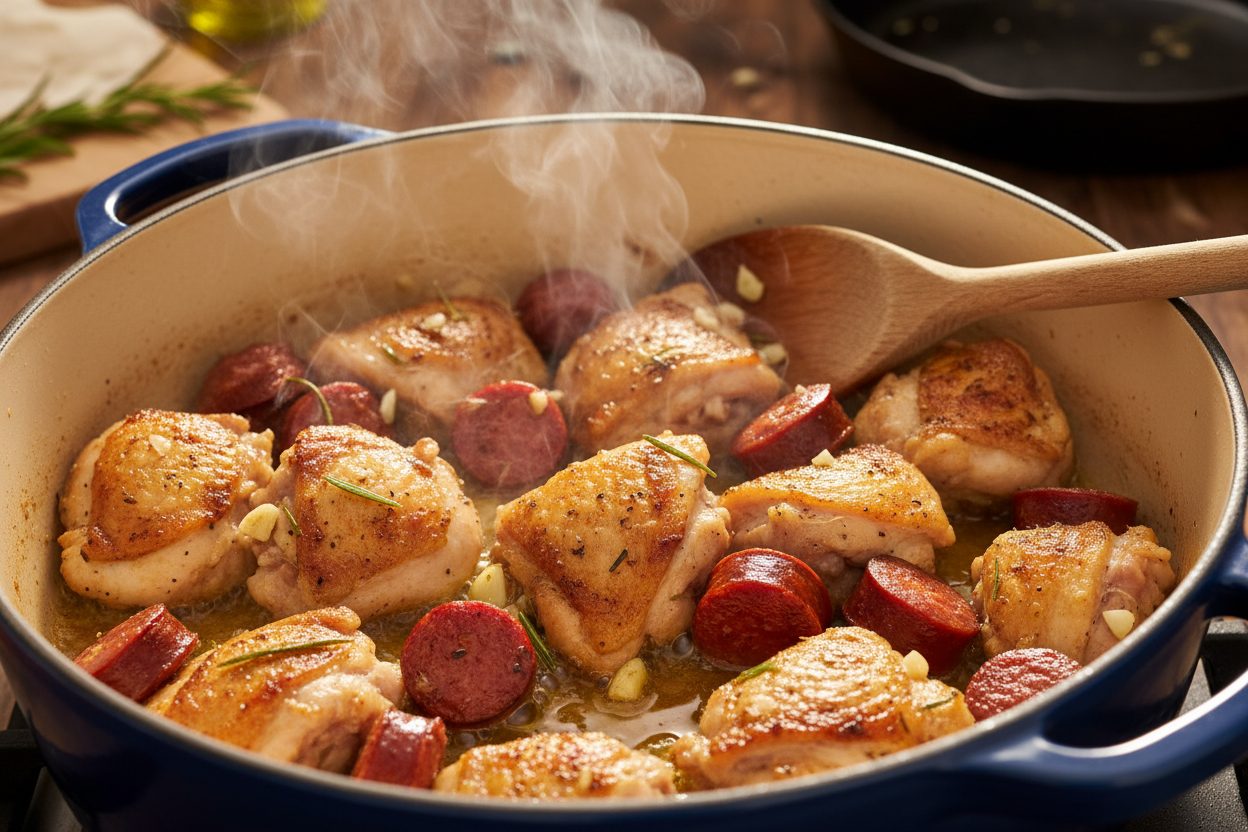
Begin by heating olive oil in a large Dutch oven over medium-high heat. The high heat is crucial for developing a deep brown crust on the meats, which translates to rich flavor in the final dish. Add the smoked beef sausage and diced chicken thighs to the hot oil. Cook them until they are thoroughly browned on all sides. This process typically takes about 8 minutes. Browning not only adds flavor but also helps to seal in the juices of the meat. Once browned, remove both the sausage and chicken from the pot and set them aside. Leave any rendered fat and browned bits in the Dutch oven; these are essential for the next steps.
Step 2: Sautéing the Vegetables
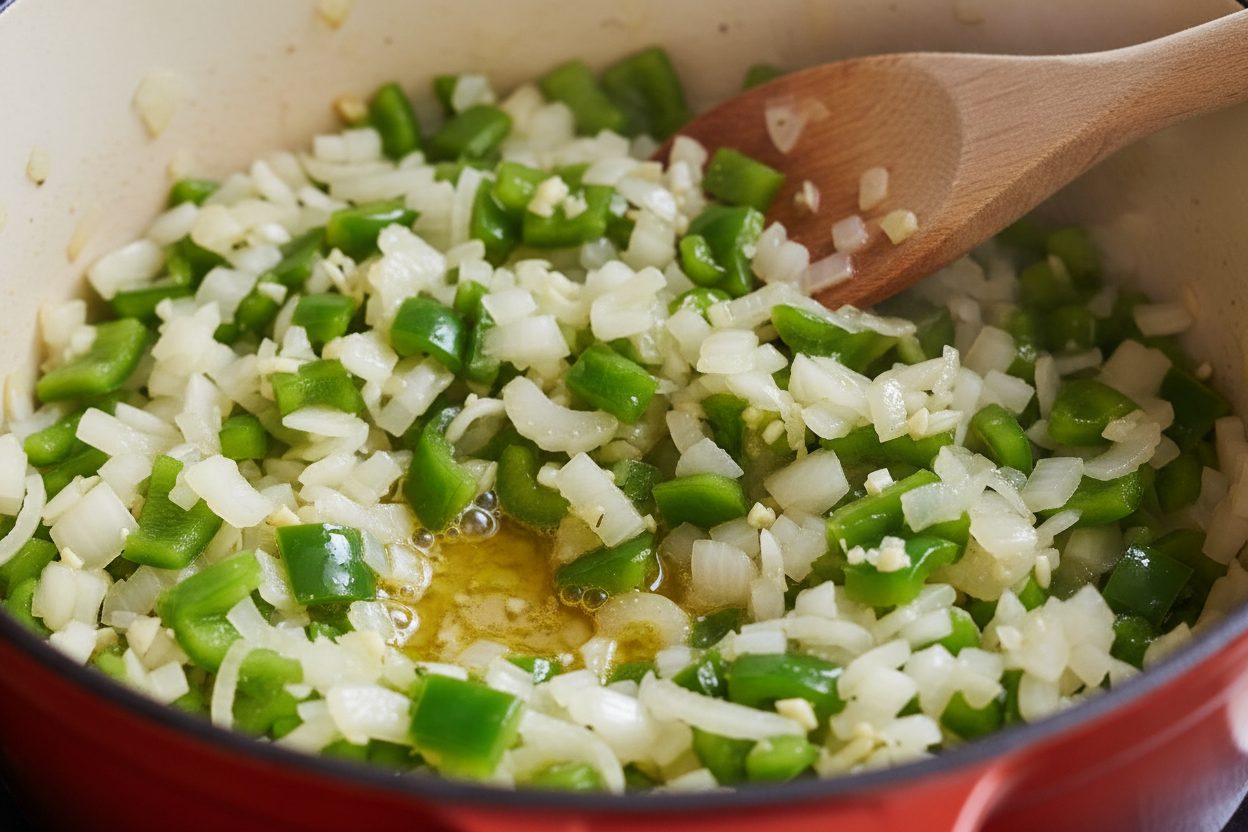
Using the same pot with the flavorful drippings, reduce the heat slightly to medium. Add the onion, green bell pepper, and celery – the sacred holy trinity vegetables. Sauté them gently, stirring occasionally, until they soften and become translucent, which usually takes about 5 minutes. This step draws out their natural sweetness and aromatic compounds. Stir in the minced garlic. Cook for an additional 1 minute, allowing the garlic to become fragrant but taking care not to burn it. Burnt garlic can impart a bitter taste. The aroma filling your kitchen signifies the true start of a fantastic Jambalaya recipe.
Step 3: Simmering the Rice
Return the browned beef sausage and chicken to the pot with the sautéed vegetables. Stir in the long grain white rice, ensuring it is well coated with the flavorful pan drippings and vegetables. Add the chicken broth and diced tomatoes, along with the Creole seasoning. Stir everything together thoroughly to combine. Bring the mixture to a rolling boil over medium-high heat. Once boiling, reduce the heat significantly to low. Cover the Dutch oven tightly with a lid. Allow the mixture to simmer for 25 minutes, undisturbed. It is critical not to lift the lid during this period, as the steam is essential for cooking the rice evenly. The rice will absorb the liquid and become tender.
Step 4: Adding the Shrimp
After the 25 minutes of simmering, carefully remove the lid. The rice should be nearly cooked and the liquid mostly absorbed. Gently stir in the fresh shrimp. Replace the lid and continue to cook for an additional 5 minutes. The shrimp will turn pink and opaque as it cooks through. Overcooking shrimp will make it tough and rubbery, so precise timing here is key. Remove the pot from the heat immediately once the shrimp is cooked.
Step 5: Garnish and Serve
Fluff the jambalaya gently with a fork to separate the rice grains. This also helps to distribute the various proteins and vegetables evenly. Garnish generously with freshly chopped green onions and fresh parsley before serving hot. The fresh herbs add a bright, herbaceous contrast to the rich and savory dish. Serve this authentic Jambalaya recipe as a complete and satisfying meal.
Pro Tips for the Best Results
Achieving the perfect texture in your Jambalaya recipe is crucial. Here are some expert tips to ensure your rice is tender, never mushy, and full of flavor:
- Rice Selection: Always use long grain white rice. Its starch content is ideal for the absorption method used in jambalaya. Avoid short-grain or medium-grain varieties, as they tend to become sticky and clumpy.
- Do Not Peek or Stir During Simmering: Once you cover the pot and reduce the heat, resist the urge to lift the lid or stir the rice. Lifting the lid releases essential steam, which can lead to unevenly cooked or undercooked rice. Stirring can break the rice grains, releasing excess starch and resulting in a mushy texture.
- Proper Heat Management: Ensure the heat is truly low during the simmering stage. A gentle simmer is what you are aiming for, not a rapid boil. Too high a heat can evaporate the liquid too quickly before the rice has a chance to fully cook.
- Resting Period: After the shrimp has cooked and you remove the pot from the heat, let the jambalaya rest, still covered, for 5-10 minutes. This allows the residual heat to finish cooking the rice, ensuring all liquid is absorbed and the grains are perfectly tender.
- Browning for Depth: Do not rush the browning of the meats and the sautéing of the holy trinity vegetables. These initial steps are where the deep, complex flavors of your Jambalaya recipe truly develop. The fond (browned bits) at the bottom of the pot is pure flavor.
By following these tips, you will consistently achieve a perfectly textured and incredibly flavorful Jambalaya recipe.
Frequently Asked Questions
Many home cooks have questions about mastering this beloved dish. Here are answers to some common inquiries about your Jambalaya recipe.
“Jambalaya’s distinct flavor comes from building layers. Each ingredient contributes to the final masterpiece, especially the careful balance of Cajun spices and the slow simmer that allows them to meld.”
— Expert Chef Tip
Q: Can I prepare this Jambalaya recipe ahead of time?
A: Yes, jambalaya often tastes even better the next day. The flavors continue to meld and deepen. Store it in an airtight container in the refrigerator for up to 3-4 days. Reheat gently on the stovetop or in the microwave, adding a splash of chicken broth if it seems dry.
Q: What if my rice is still hard after the simmering time?
A: If the rice is still hard, it likely needs more liquid or more time. Add a small amount of warm chicken broth (about a quarter cup) to the pot, cover tightly, and continue to simmer on low heat for another 5-10 minutes. Ensure your lid forms a tight seal to trap steam.
Q: What is the difference between Creole and Cajun jambalaya?
A: While both are hearty rice dishes, Creole jambalaya, often called “red jambalaya,” typically includes tomatoes, which give it a reddish hue. Cajun jambalaya, or “brown jambalaya,” usually omits tomatoes and focuses more on a rich brown roux and browned meats for its color. This Jambalaya recipe leans towards the Creole style with the inclusion of diced tomatoes.
Q: Can I use different proteins in this one-pot meal?
A: While this recipe specifies smoked beef sausage, chicken thighs, and shrimp, jambalaya is versatile. Other traditional additions include various types of smoked sausage. The key is to brown any meat thoroughly for flavor development.
Q: Why is Creole seasoning important for this dish?
A: Creole seasoning is a blend of spices like paprika, cayenne pepper, onion powder, garlic powder, and dried herbs. It provides the characteristic spicy, savory, and aromatic flavor profile essential to this type of Creole cooking. Using a good quality blend makes a significant difference.
This hearty Jambalaya recipe is a true taste of the South, offering a complete simmered dinner that satisfies every palate. It is a testament to the comforting power of traditional one-pot meals. Embrace the rich heritage and vibrant flavors of this classic dish in your kitchen.
For more authentic Southern recipes and culinary inspiration, be sure to Follow our Facebook page!
Hearty Beef, Chicken, and Shrimp Creole Rice
Ingredients
- 1 lb Smoked Beef Sausage
- 1 lb Boneless Skinless Chicken Thighs
- 1 lb Large Shrimp
- 2 tbsp Olive Oil
- 1 large Onion
- 1 large Green Bell Pepper
- 2 stalks Celery
- 4 cloves Garlic
- 1.5 cups Long Grain White Rice
- 3 cups Chicken Broth
- 14.5 oz Diced Tomatoes
- 2 tbsp Creole Seasoning
- 0.5 cup Green Onions
- 0.25 cup Fresh Parsley
Instructions
- Heat olive oil in a large Dutch oven over medium-high heat. Add the smoked beef sausage and diced chicken thighs, cooking until browned, about 8 minutes. Remove meats and set aside.
- In the same pot, sauté the onion, green bell pepper, and celery until softened, about 5 minutes. Stir in the minced garlic and cook for an additional 1 minute.
- Return the beef sausage and chicken to the pot. Stir in the long grain white rice, chicken broth, diced tomatoes, and Creole seasoning. Bring to a boil. Reduce heat to low, cover, and simmer for 25 minutes, or until the rice is tender and liquid is absorbed.
- Stir in the shrimp and cook for 5 more minutes until they turn pink. Remove from heat.
- Garnish with green onions and fresh parsley before serving hot.
For more daily recipes and tips, follow us on Facebook!
Click here to join our community!