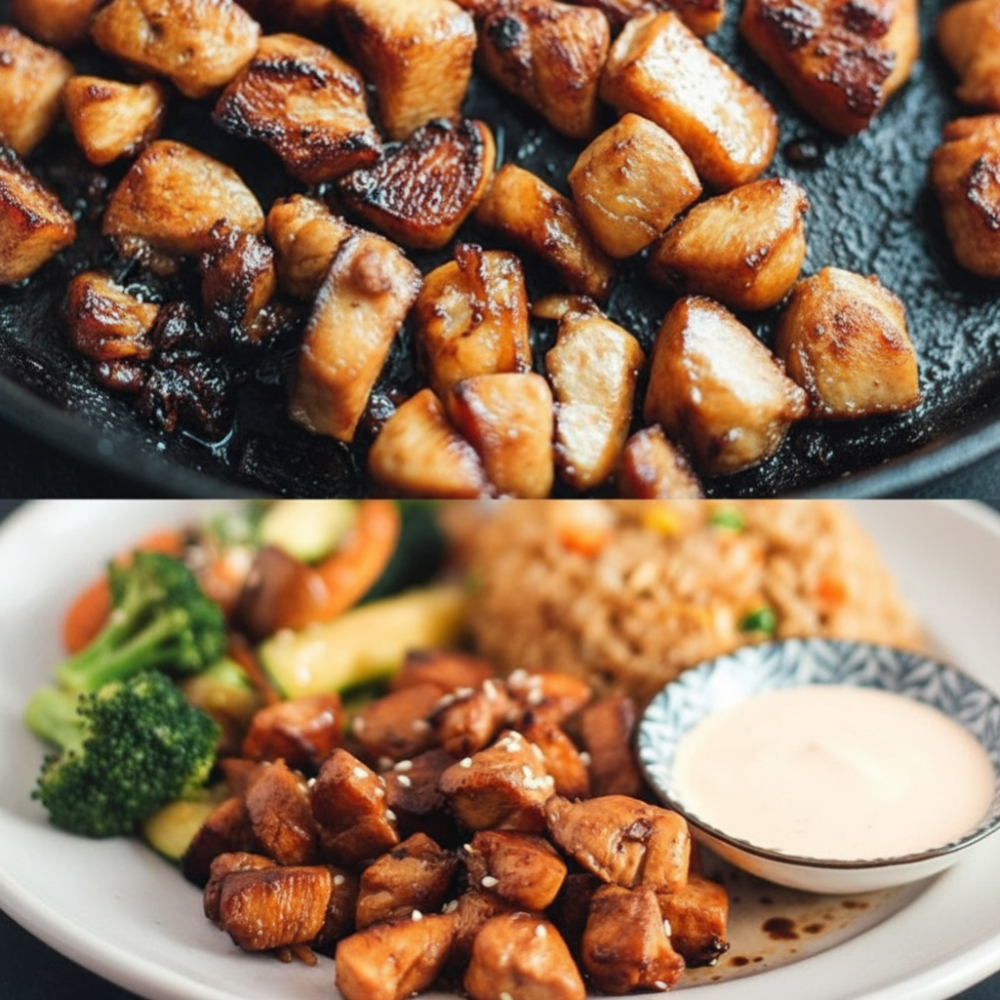
Preparing an authentic Japanese steakhouse meal at home offers a rewarding experience, transforming your kitchen into a personal teppanyaki grill. This guide focuses on creating delicious Hibachi Chicken, a beloved classic that brings the excitement and flavors of a professional chef’s performance directly to your dining table. Recreating this dish allows for complete control over ingredients, ensuring a meal tailored to your preferences while delivering that distinctive, savory taste.
Why Recreate this Japanese Steakhouse Classic at Home?
Bringing the magic of teppanyaki at home provides several compelling advantages beyond just the culinary adventure. It is a smart way to enjoy restaurant-quality food with significant benefits for both your wallet and your health.
- Cost-effective alternative to dining out: Enjoying a lavish Japanese steakhouse chicken meal at a restaurant can be expensive. By sourcing your own ingredients and cooking at home, you save a considerable amount without sacrificing flavor or experience. This approach makes gourmet dining accessible on a regular basis.
- Complete control over sodium and oil levels: Restaurant dishes often contain higher levels of sodium and oil. When you prepare Hibachi Chicken in your own kitchen, you dictate every ingredient. This allows you to adjust the seasoning and fat content to suit dietary needs or personal preferences, making for a healthier, yet equally flavorful, meal.
- Fun and interactive cooking method using a standard skillet or wok: The dynamic cooking style of teppanyaki is inherently entertaining. Even without a professional flat-top grill, a standard skillet or wok can perfectly mimic the intense heat and swift movements of teppan cooking techniques. This method is not only efficient but also turns meal preparation into an engaging activity, perfect for family or friends.
Essential Ingredients for the Perfect Teppanyaki Platter
A truly exceptional teppanyaki platter begins with carefully selected, fresh ingredients. Each component plays a vital role in building the layered flavors characteristic of this style. This recipe simplifies the process while maintaining authentic taste profiles.
The Meat and Marinade
For the heart of your hibachi meal, we focus on tender chicken prepared with a simple yet potent soy sauce marinade.
- 1.5 lbs chicken breasts (boneless, skinless, cubed)
- 4 tbsp soy sauce (divided use)
- 1 tbsp sesame oil
- 1 tbsp minced garlic
- 2 tbsp butter (divided use)
Tender-Crisp Vegetables
Fresh, vibrant vegetables are crucial for color, texture, and nutritional balance in any Japanese style vegetables dish.
- 1 cup broccoli florets
- 1 cup sliced zucchini
- 1 cup sliced carrots
Authentic Fried Rice Elements
No hibachi experience is complete without flavorful homemade fried rice. The secret lies in using day-old rice.
- 3 cups cooked white rice (preferably day-old for best texture)
- 1 large egg (beaten)
Creamy Dipping Sauce (Yum Yum Sauce)
The signature condiment that ties the entire meal together is a simple, creamy sauce. This basic version delivers familiar taste.
- 1/2 cup mayonnaise
- 1 tbsp ketchup
Step-by-Step Cooking Instructions
Follow these steps precisely to achieve a restaurant-quality Hibachi Chicken meal right in your kitchen. Attention to detail and swift execution are key to perfecting these teppan cooking techniques.
- Prepare the Creamy Sauce: In a small bowl, whisk together the 1/2 cup of mayonnaise and 1 tbsp of ketchup until the mixture is smooth and uniform. This creates your simple yum yum sauce recipe. Once combined, cover the bowl and store it in the refrigerator. This chilling period allows the flavors to meld and deepen, enhancing the sauce’s taste when served.
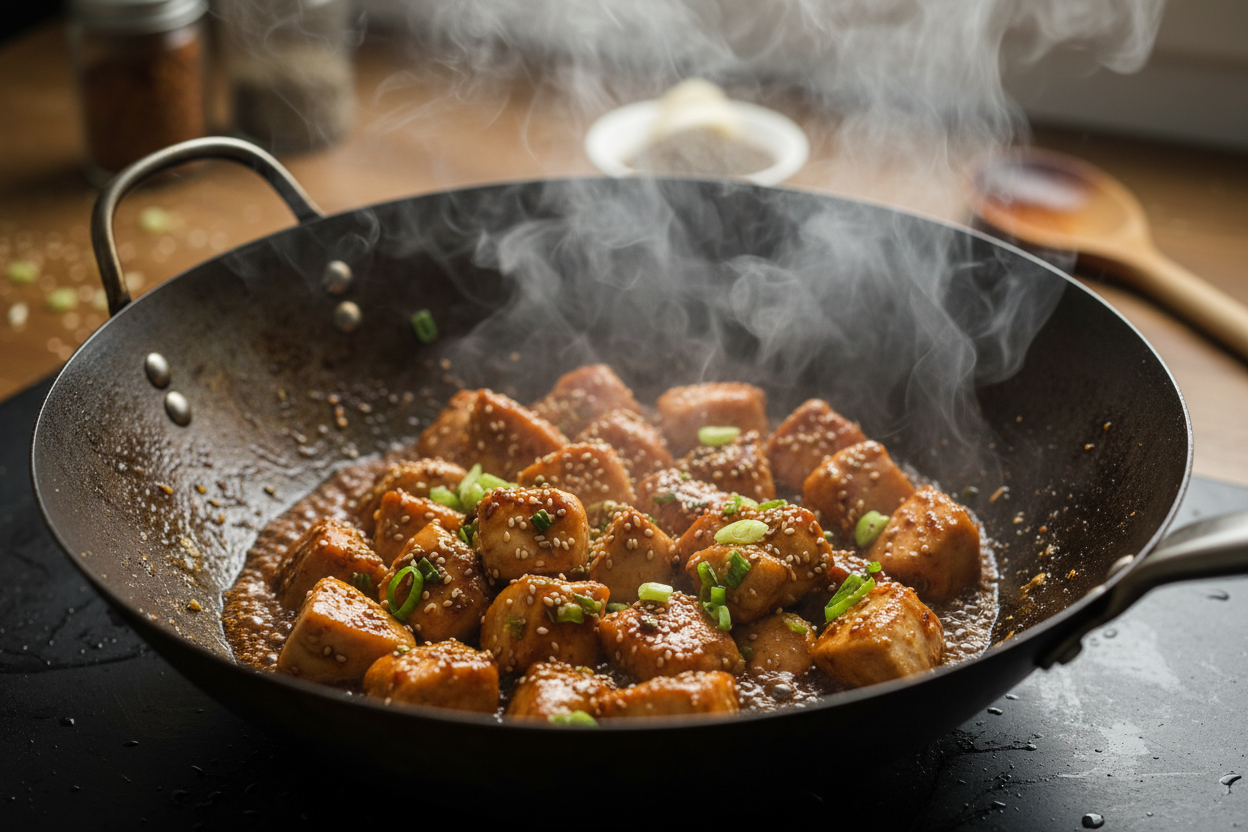
- Sear the Meat: Begin by heating a large skillet or wok over medium-high heat. Add 1 tbsp of butter to the hot pan, allowing it to melt and coat the surface. Once the butter is sizzling, add the cubed 1.5 lbs of chicken breasts to the skillet. Immediately follow with 2 tbsp of soy sauce, 1 tbsp of sesame oil, and 1 tbsp of minced garlic. Cook the chicken for 6 to 8 minutes, stirring frequently, until each piece is thoroughly browned and cooked through. Remove the cooked chicken from the skillet and set it aside on a plate.
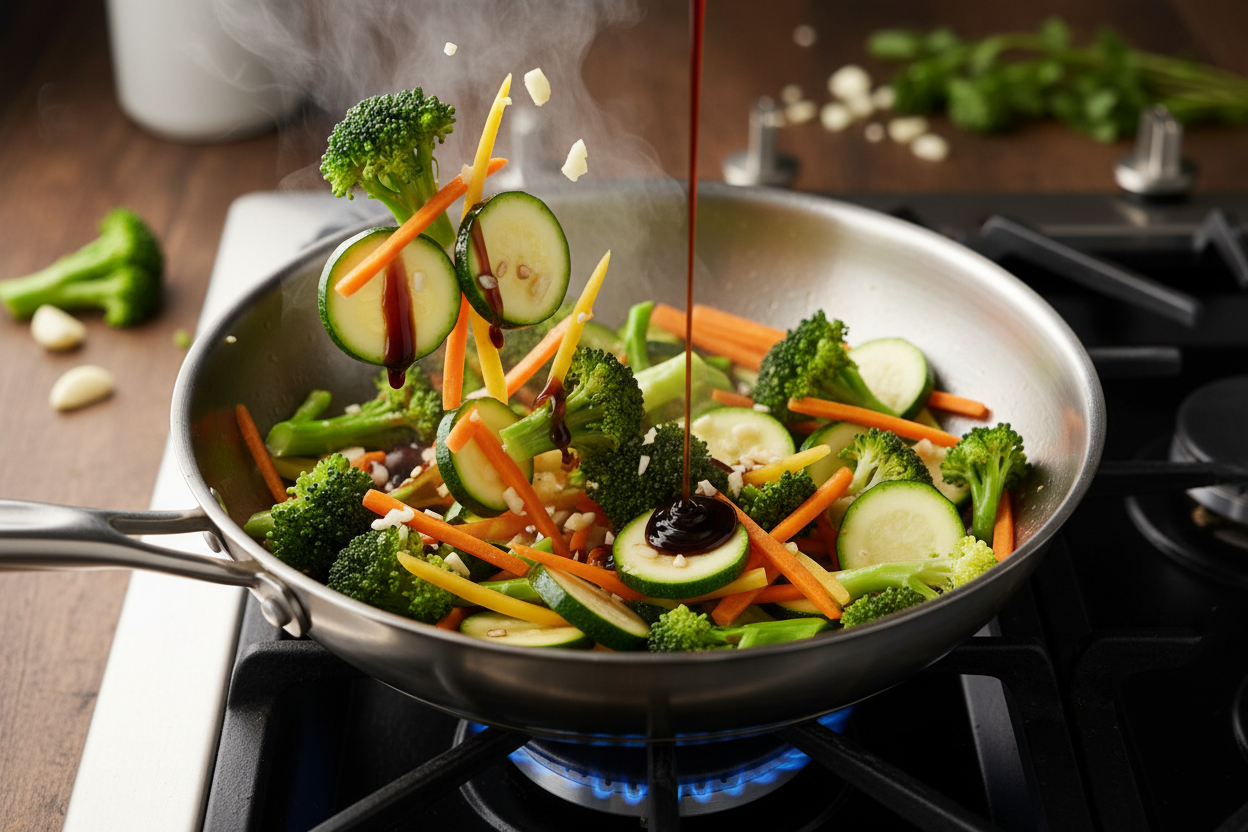
- Sauté the Vegetables: Using the same hot skillet where the chicken was cooked, add the 1 cup of broccoli florets, 1 cup of sliced zucchini, and 1 cup of sliced carrots. These Japanese style vegetables will quickly cook in the residual heat and flavor. Sauté them for 5 to 7 minutes, tossing regularly, until they reach a desirable tender-crisp texture. Once cooked, remove the vegetables from the pan and place them with the seared chicken.
- Scramble the Egg: Reduce the heat under the skillet to medium. Add the remaining 1 tbsp of butter to the pan, letting it melt. Pour the beaten 1 large egg into the buttered skillet. Scramble the egg quickly with a spatula until it is fully set and cooked through. Break the scrambled egg into smaller pieces suitable for fried rice.
- Fry the Rice: Add the 3 cups of day-old cooked white rice directly to the skillet with the scrambled egg. Pour the remaining 2 tbsp of soy sauce over the rice. Toss the rice continuously for 3 to 4 minutes, ensuring it is completely heated through and begins to develop a slightly toasted texture. This step is crucial for achieving authentic homemade fried rice.
- Assemble the Platter: Once all components are cooked, divide the hot fried rice, the sautéed vegetables, and the seared chicken among individual serving plates. Arrange each element neatly to create an appealing teppanyaki platter. Serve the meal immediately while hot, accompanied by the chilled creamy dipping sauce prepared earlier.
Pro Tips for Achieving the Perfect Skillet Sear
Mastering the sear is fundamental to good Hibachi Chicken. These teppan cooking techniques apply even when using standard kitchen equipment.
- Use a wok or a heavy-bottomed cast iron skillet to retain high heat: These types of pans distribute and hold heat more effectively, which is essential for achieving a proper sear rather than merely steaming your ingredients. A high, consistent heat is critical for browning.
- Do not overcrowd the pan; cook in batches if necessary to ensure a proper sear rather than steaming the ingredients: Overcrowding lowers the pan’s temperature rapidly, releasing too much moisture and causing ingredients to steam instead of sear. Cook smaller portions to maintain high heat and achieve that desired caramelized exterior.
- Always use day-old, chilled rice for frying to prevent a mushy texture: Freshly cooked rice has too much moisture, which will make your homemade fried rice sticky and mushy. Day-old rice is drier, allowing it to absorb flavors better and achieve a firmer, separate grain texture when fried.
Storing and Reheating Leftovers
Proper storage and reheating ensure your homemade Hibachi Chicken remains delicious long after the initial meal.
- Store the meat, vegetables, and rice in separate airtight containers in the refrigerator for up to 4 days. Separating the components helps maintain their individual textures and flavors.
- Keep the creamy dipping sauce refrigerated in its own airtight container for up to a week. Its creaminess is best preserved when kept separate from the cooked hot components.
- Reheat the hot components (chicken, vegetables, and rice) in a skillet over medium heat. Add a splash of water or a small amount of broth to restore moisture and prevent drying. Stir occasionally until everything is thoroughly heated through.
Frequently Asked Questions
Here are answers to common questions about preparing Hibachi Chicken at home.
Can I use thighs instead of breasts?
Yes, you can use boneless, skinless chicken thighs instead of breasts. Thighs often retain more moisture and can be more flavorful for searing. The cooking time for 1.5 lbs of chicken thighs will remain similar, typically 6-8 minutes, ensuring they are fully cooked through and browned. Always ensure internal temperature reaches 165°F (74°C).
What can I substitute for soy sauce to make this gluten-free?
To make your soy sauce marinade gluten-free, you can substitute the 4 tbsp of soy sauce with an equal amount of tamari. Tamari is a gluten-free alternative to soy sauce that offers a similar rich, umami flavor. Coconut aminos is another option, though its flavor is slightly sweeter and less salty.
How do I make the vegetables softer?
If you prefer your Japanese style vegetables softer than tender-crisp, you can extend their cooking time. After adding the 1 cup of broccoli florets, 1 cup of sliced zucchini, and 1 cup of sliced carrots to the skillet, sauté them for an additional 2-3 minutes beyond the recommended 5-7 minutes. You can also add a tablespoon or two of water to the pan and cover it briefly while cooking, which will help steam them to a softer consistency.
Enjoy the process of creating this classic Hibachi Chicken. For more culinary inspiration and behind-the-scenes peeks into our kitchen, be sure to follow our Facebook page.
Homemade Japanese Steakhouse Chicken Platter
Ingredients
- 1.5 lbs chicken breasts boneless, skinless, cut into bite-sized cubes
- 4 tbsp soy sauce divided (2 tbsp for meat, 2 tbsp for rice)
- 1 tbsp sesame oil for searing
- 1 tbsp garlic minced
- 2 tbsp butter divided (1 tbsp for meat, 1 tbsp for rice)
- 1 cup broccoli florets cut into small pieces
- 1 cup zucchini sliced into half-moons
- 1 cup carrots peeled and sliced thin
- 3 cups cooked white rice day-old and chilled
- 1 egg large, lightly beaten
- 1/2 cup mayonnaise for the creamy dipping sauce
- 1 tbsp ketchup for the creamy dipping sauce
Instructions
- Prepare the Creamy Sauce: Whisk the mayonnaise and ketchup in a small bowl until smooth. Store in the refrigerator to allow flavors to meld.
- Sear the Meat: In a large skillet or wok, melt 1 tbsp of butter over medium-high heat. Add the cubed chicken, 2 tbsp soy sauce, sesame oil, and minced garlic. Cook for 6-8 minutes until browned and thoroughly cooked. Remove and set aside.
- Sauté the Vegetables: In the same hot skillet, add the broccoli, zucchini, and carrots. Cook for 5-7 minutes until they reach a tender-crisp texture. Remove and set aside with the meat.
- Scramble the Egg: Reduce the heat to medium. Add the remaining 1 tbsp butter to the pan. Pour in the beaten egg and scramble until fully set.
- Fry the Rice: Add the day-old cooked white rice and the remaining 2 tbsp soy sauce to the scrambled egg. Toss continuously for 3-4 minutes until the rice is completely heated through and slightly toasted.
- Assemble the Platter: Divide the hot fried rice, sautéed vegetables, and seared chicken among serving plates. Serve immediately alongside the chilled creamy dipping sauce.
For more daily recipes and tips, follow us on Facebook!
Click here to join our community!