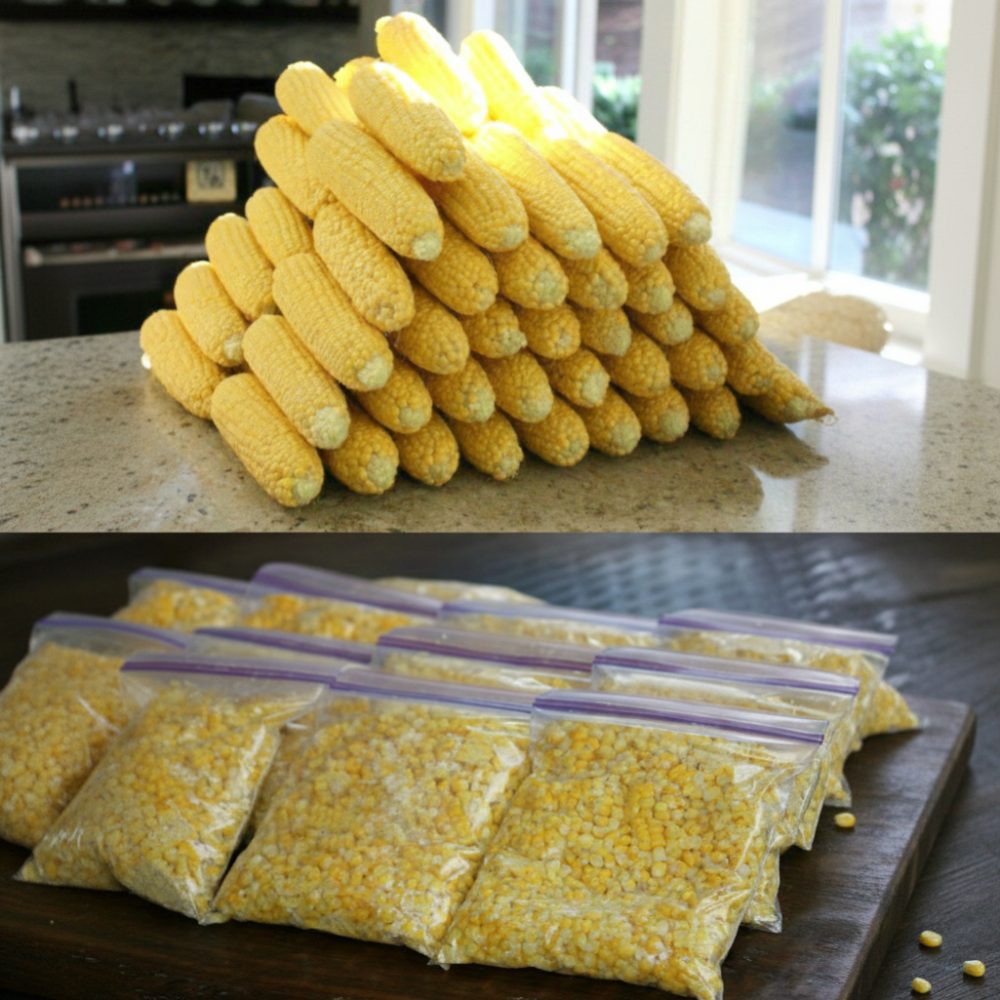
The vibrant sweetness of summer corn is a fleeting delight, often gone too soon. When the season peaks, local markets and farm stands overflow with plump, golden ears, offering an ideal opportunity to stock up on this beloved vegetable. Freezing fresh corn allows you to capture that peak flavor and enjoy it months later, long after the harvest has passed. This comprehensive guide walks you through the precise steps for preserving sweet corn, ensuring you can savor its fresh-picked taste year-round, whether you prefer storing corn kernels or whole cobs.
Why Preserve Summer Sweet Corn?
The decision to preserve your own summer sweet corn goes beyond mere convenience; it is about capturing and maintaining the highest quality. When produce is in its prime, it offers the best flavor, texture, and nutritional value. Freezing fresh corn at home provides a significant advantage over many commercially canned alternatives. Commercial canning processes often involve high heat and can alter the corn’s natural texture, sometimes making it softer, and may include added sodium or preservatives. By taking the time to freeze your own, you maintain full control over what goes into your food.
Properly preserved vegetables retain their crisp texture, bright color, and essential nutrients far better than other long-term storage methods. This method ensures that your frozen sweet corn tastes remarkably close to fresh, allowing you to enjoy the genuine essence of summer in the depths of winter. Storing summer produce through freezing is a practical and rewarding endeavor for any home cook aiming to reduce food waste and enhance their culinary pantry with peak-season ingredients.
Choosing the Best Ears
The foundation of great frozen corn is selecting the best fresh ears. When at the market, look for corn with bright green husks that are tightly wrapped around the cob. The husks should feel damp and firm, not dry or brittle. Inspect the silks at the top of the ear; they should be slightly damp, brown, or golden, not black or slimy, which indicates decay, nor completely dry, which suggests older corn.
Gently peel back a small section of the husk near the tip to check the kernels. They should be plump, tightly packed, and glossy. A good test for ripeness is to gently pierce a kernel with your fingernail; a milky liquid should spurt out. This milky substance confirms the corn is fresh and sweet, indicative of a high sugar content, which is ideal for freezing and preserving that delicious taste.
To Blanch or Not to Blanch?
Blanching is a critical step in the process of preserving sweet corn for long-term storage, and it is a topic often debated by home preservers. Blanching vegetables involves briefly immersing them in boiling water followed by an immediate plunge into ice water. This rapid temperature change serves several vital purposes. Primarily, it neutralizes enzymes that naturally occur in vegetables.
These enzymes are responsible for causing vegetables to lose their color, flavor, and sweetness over time, even in the freezer. While you technically can freeze corn without blanching, it is generally recommended only for very short-term use, perhaps a few weeks. For truly long-term freezer storage, up to 12 months, blanching is highly recommended. It also helps to clean the corn, brighten its color, and soften it slightly, making it easier to pack. This small extra step yields significant benefits in maintaining the quality of your frozen sweet corn.
Equipment and Ingredients You Will Need
Preparing a standard batch of frozen corn requires a few essential tools and ingredients. Gathering everything beforehand ensures a smooth and efficient process. To prepare 8 ears of fresh sweet corn, you will need:
- 8 ears of fresh sweet corn
- 16 cups (1 gallon) of water for boiling
- 8 cups of ice for the cold bath
- A large stockpot (at least 8-quart capacity)
- A pair of long-handled tongs
- A sharp chef’s knife
- A large baking sheet
- Vacuum-seal bags or high-quality freezer-safe bags
Having these items ready before you begin will streamline the entire process of freezing fresh corn, making it less of a chore and more of a pleasure.
Step-by-Step Instructions
Follow these detailed steps carefully to ensure your corn is perfectly prepared for freezing, capturing its peak freshness and flavor.
Step 1: Boiling the Water
Begin by setting up your boiling station. Pour 16 cups (1 gallon) of water into a large stockpot. Place the pot on your stovetop over high heat. Bring the water to a vigorous, rolling boil. This can take several minutes, so start this step early while you prepare the corn.
Step 2: Shucking
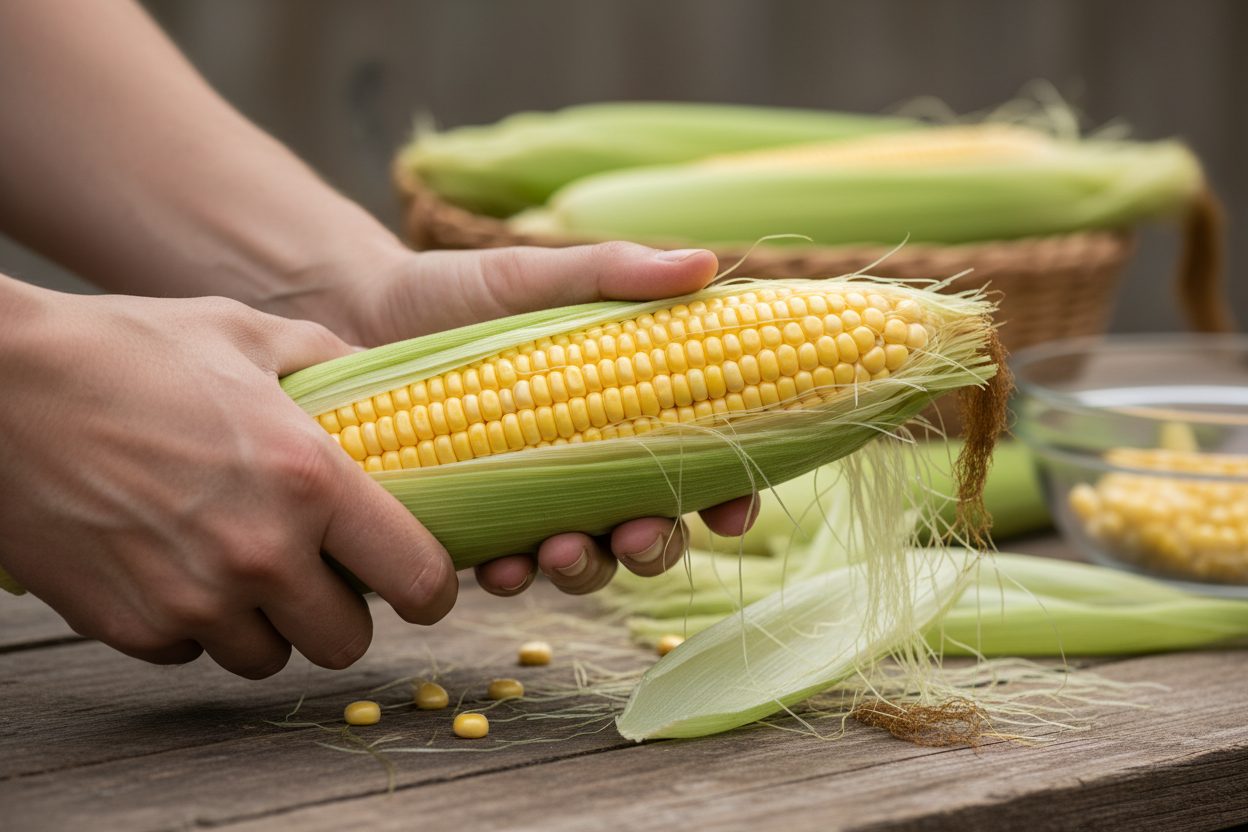
While the water comes to a boil, prepare your fresh corn. Take each of the 8 ears of corn and shuck them completely. This involves pulling off all the green husks. Next, meticulously remove all the fine, stringy silks from the kernels. You want the corn cob to be entirely clean and free of any debris before blanching. A stiff brush or a damp paper towel can help remove stubborn silks.
Step 3: Blanching
Once your water is at a full, rolling boil, carefully submerge the shucked ears of corn into the boiling water. Do not overcrowd the pot; if necessary, blanch the corn in batches to maintain the water temperature. Start your timer immediately. Blanch the corn for precisely 4 to 5 minutes. This duration is crucial for effectively stopping the enzymatic action without fully cooking the corn.
Step 4: The Cold Bath
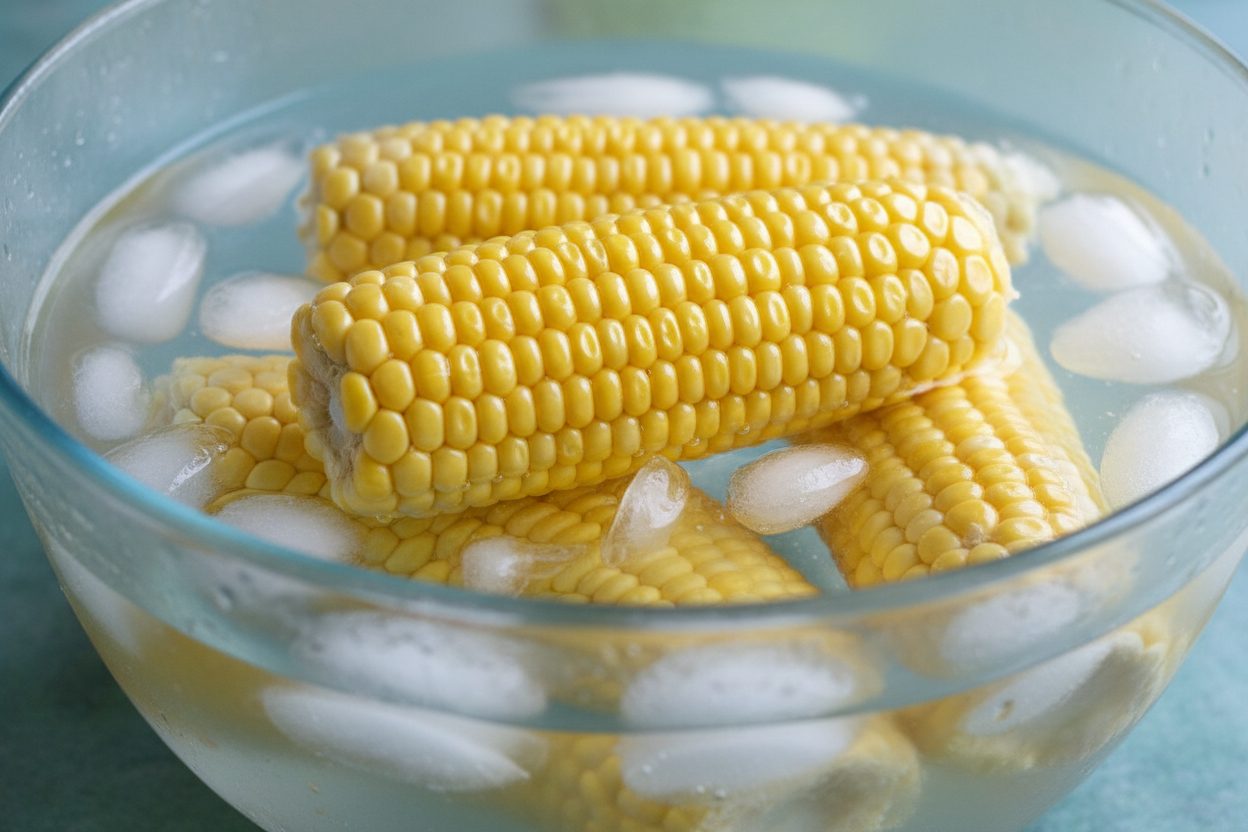
As soon as the blanching time is complete, use your tongs to swiftly transfer the hot cobs from the boiling water directly into a large bowl filled with cold water and 8 cups of ice. The immediate shock of the ice bath is vital. Let the blanched corn sit in this cold bath for a minimum of 5 minutes. This process, known as shocking, rapidly halts the cooking process, ensuring the corn retains its crisp texture and vibrant color.
Step 5: Drying
After the cold bath, remove the cobs from the ice water. It is absolutely critical to pat them completely dry with a clean kitchen towel. Excess moisture on the corn will lead to the formation of ice crystals and can contribute to freezer burn, which degrades the quality and flavor of your frozen sweet corn. Ensure each cob is thoroughly dried before proceeding to the next step.
Step 6: Freezing Kernels vs. Whole Cobs
Now you have a choice depending on how you prefer to use your corn.
- For Kernels: Stand a completely dry cob upright in a wide, shallow bowl or on a cutting board. Using a sharp chef’s knife, carefully slice downward along the cob to remove the kernels. Try to cut as close to the cob as possible without cutting into the cob itself. Collect the fresh kernels. Spread the cut corn kernels in a single layer on a large baking sheet lined with parchment paper. Place the baking sheet into the freezer for approximately 1 hour to flash freeze the kernels. This prevents them from clumping together. Once flash-frozen, transfer the loose kernels into vacuum-seal bags or high-quality freezer-safe bags. Ensure you remove as much air as possible before sealing. This method of cutting corn kernels and flash freezing makes it easy to portion out exactly what you need later.
- For Whole Cobs: For those who enjoy freezing corn on the cob, take each completely dry blanched cob and wrap it tightly in plastic wrap. Ensure the wrap adheres well to the cob, minimizing air exposure. Once individually wrapped, place the wrapped cobs into a large zip-top freezer bag or a vacuum-seal bag. Press out all excess air from the bag before sealing. This dual-layer protection helps guard against freezer burn and preserves the quality of your frozen sweet corn.
Storing and Thawing Tips
Proper storage is key to extending the life and quality of your frozen sweet corn. Stored properly in an airtight environment, your frozen harvest will last effectively for 8 to 12 months, maintaining excellent flavor and texture. Label your bags with the date of freezing so you can easily track freshness.
When it comes to thawing and using your frozen corn, the method depends on whether you have kernels or whole cobs. You do not need to thaw kernels before adding them to most dishes. Simply toss the frozen kernels straight into hot soups, stews, sautés, or casseroles. They will thaw and cook quickly, adding a burst of sweet corn flavor. For whole cobs, it is best to let them thaw slightly in the refrigerator overnight or for a few hours. Once partially thawed, you can drop them into boiling water for a few minutes to reheat, grill them, or roast them to your preference. Understanding how to store corn effectively ensures you have delicious corn readily available for any meal.
Freezing fresh corn is a rewarding way to extend the bounty of summer and enjoy its vibrant flavors all year long. By following these precise steps, you ensure that every kernel and cob maintains its peak quality, ready to enhance your favorite dishes. Happy freezing!
For more expert tips on preserving summer produce and delicious recipes, follow us on Facebook: Follow our Facebook page.
Freezing Fresh Sweet Corn (Kernels & On the Cob)
Ingredients
- 8 ears Fresh sweet corn Husks and silks removed
- 16 cups Water For boiling
- 8 cups Ice For the ice bath
Instructions
- Bring 16 cups of water to a rolling boil in a large pot over high heat.
- Shuck the 8 ears of corn, removing all husks and silks.
- Carefully submerge the corn into the boiling water and blanch for 4 to 5 minutes.
- Transfer the corn immediately to a large bowl filled with cold water and 8 cups of ice. Let sit for 5 minutes.
- Remove the cobs and pat them completely dry with a clean towel.
- For kernels: Cut the corn off the cob and spread evenly on a baking sheet. Flash freeze for 1 hour, then transfer to a freezer-safe bag.
- For whole cobs: Wrap each dry cob tightly in plastic wrap, then place into a large freezer bag. Remove excess air and freeze.
For more daily recipes and tips, follow us on Facebook!
Click here to join our community!