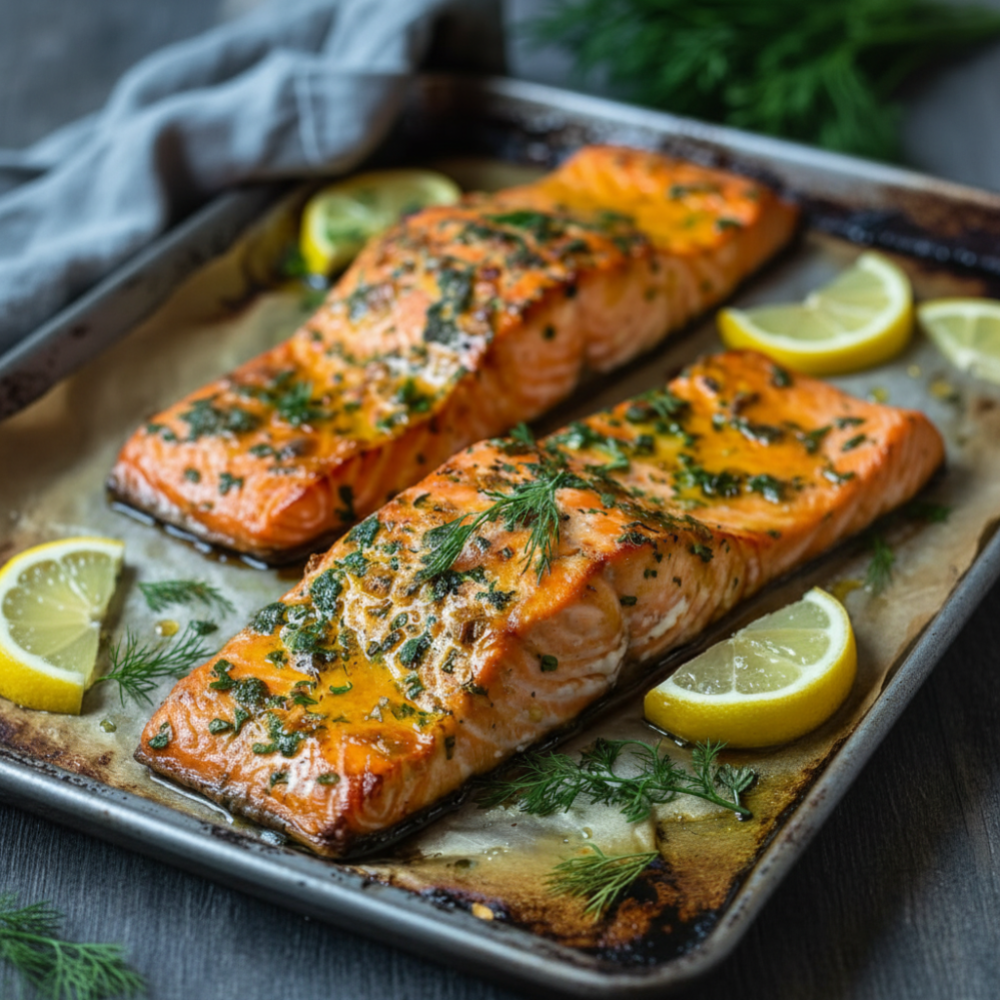
Oven Baked Salmon Recipe (Garlic Butter & Herbs)
Welcome, food lovers! Today, we’re diving into one of the most beloved and endlessly versatile dishes in my kitchen: Oven Baked Salmon. Forget complicated preparations; this recipe is all about maximizing flavor with minimal effort. We’re talking about succulent, tender salmon fillets infused with a fragrant garlic butter and fresh herbs – a truly delightful meal that comes together in a flash.
If you’re looking for an easy salmon dinner that’s also incredibly healthy and satisfying, you’ve found your new go-to. This isn’t just a recipe; it’s an invitation to elevate your weeknight dining experience with a dish that consistently delivers on taste, texture, and pure culinary joy.
Why You’ll Love This Oven Baked Salmon
There’s a reason baked salmon remains a perennial favorite, especially for those seeking healthy weeknight meals. This particular baked salmon recipe is a winner for so many reasons. First, it’s astonishingly simple, requiring minimal active cooking time. You just season, bake, and serve – perfect for busy evenings. Second, the flavor profile is a harmonious blend of rich salmon, aromatic garlic, creamy butter, and bright herbs. It’s a classic combination that never disappoints, ensuring every bite is utterly delicious.
Beyond its ease and incredible taste, oven baking ensures the salmon cooks evenly, yielding a perfectly tender, moist, and flaky salmon fillet every single time. No dry, rubbery fish here! It’s also incredibly adaptable, allowing you to tweak the flavors to suit your palate. Whether you’re a seasoned chef or just starting your culinary journey, this recipe guarantees a restaurant-quality meal right in your own kitchen. It truly is the ultimate solution for a quick, impressive, and nutritious dinner.
Key Ingredients for Lemon Herb Salmon
The magic of a truly great lemon herb salmon dish lies in the quality and freshness of its components. You don’t need a pantry full of exotic spices to create something spectacular. Here’s what you’ll need for this vibrant garlic butter salmon creation:
- Salmon Fillets: Opt for skin-on or skin-off, whatever your preference. Look for thick, vibrant fillets, ideally about 1 to 1.5 inches thick, for the best results. Wild-caught or sustainably farmed are excellent choices for flavor and texture.
- Unsalted Butter: Essential for that rich, golden garlic butter. If using salted butter, reduce the amount of added salt accordingly.
- Fresh Garlic: Minced finely. Fresh is non-negotiable here – it makes all the difference in the aroma and robust taste. Avoid powdered garlic for this recipe; the fresh cloves provide a superior depth.
- Fresh Herbs: A generous mix of fresh dill and parsley is my personal go-to. They add brightness and a beautiful herbaceous note that complements salmon perfectly. Chives, tarragon, or thyme can also be wonderful additions if you want to experiment.
- Lemon: Fresh lemon juice and zest are crucial for cutting through the richness of the salmon and butter, adding a vital zing and brightening the entire dish.
- Olive Oil: A touch to lightly coat the baking dish or parchment paper, ensuring the salmon doesn’t stick and helps achieve a lovely sear.
- Salt and Black Pepper: Simple, high-quality seasonings to enhance all the natural flavors without overpowering them.
“Great cooking starts with great ingredients. For salmon, that means looking for firm, moist fillets with a bright, consistent color. Don’t be afraid to ask your fishmonger for their freshest recommendations; they’re an invaluable resource!” – Chef Isabella Rossi
How to Bake Salmon Perfectly Every Time
Mastering the art of how to bake salmon is simpler than you might think, and it all comes down to a few key principles: temperature and timing. Getting these right ensures a perfectly cooked, moist, and flavorful fillet with a beautiful exterior.
What Temperature is Best for Baking Salmon?
For the ideal salmon bake temperature, I highly recommend preheating your oven to a robust 400°F (200°C). This higher temperature is perfect for baking salmon because it cooks the fish quickly and efficiently. The intense, dry heat helps to create a slightly caramelized exterior – what chefs call a “crust” – while simultaneously sealing in the natural juices and oils, preventing the salmon from drying out.
Baking at 400°F (200°C) also ensures even cooking throughout the fillet, giving you that wonderfully tender texture from edge to edge without a raw center or an overcooked exterior. It’s truly a sweet spot that balances cooking speed with tenderness, making it ideal for achieving a consistently moist and delicious result every time you cook salmon.
How Long to Bake Salmon
The baking time for salmon largely depends on the thickness of your fillet. As a general rule of thumb, you can estimate about 4-6 minutes of cooking time per half-inch of thickness at 400°F (200°C). This guideline helps account for variations in salmon cuts.
- For a typical 1-inch thick salmon fillet: Expect to bake for 12-15 minutes. This is the most common thickness you’ll find at the market.
- For thinner fillets (around 0.5 inches): It might be ready in as little as 8-10 minutes. Keep a close eye on these to prevent overcooking.
- For thicker cuts (up to 1.5 inches): You might need 16-20 minutes to reach perfect doneness.
The best way to tell if your salmon is done is by checking for that beautiful flaky salmon fillet texture. Gently insert a fork into the thickest part of the fish; if it flakes easily and appears opaque throughout, it’s ready. You can also use an instant-read thermometer for absolute precision. Salmon is considered fully cooked when its internal temperature reaches 145°F (63°C). Remember, it will continue to cook slightly after it comes out of the oven (this is called carry-over cooking), so it’s often better to err on the side of slightly undercooked rather than overcooked.
Step-by-Step Instructions
Let’s get cooking! Follow these simple steps to prepare your perfect garlic butter salmon masterpiece, guaranteed to impress with minimal fuss.
- Preheat Oven & Prepare Dish: Preheat your oven to 400°F (200°C). Lightly grease a baking dish or line a baking sheet with parchment paper for effortless cleanup and to prevent sticking. This preparation is key for smooth cooking.
- Prepare Salmon: Pat the salmon fillets thoroughly dry with paper towels. This crucial step helps the seasoning adhere better and promotes a nicer, slightly crispier exterior. Season both sides generously with salt and freshly ground black pepper.
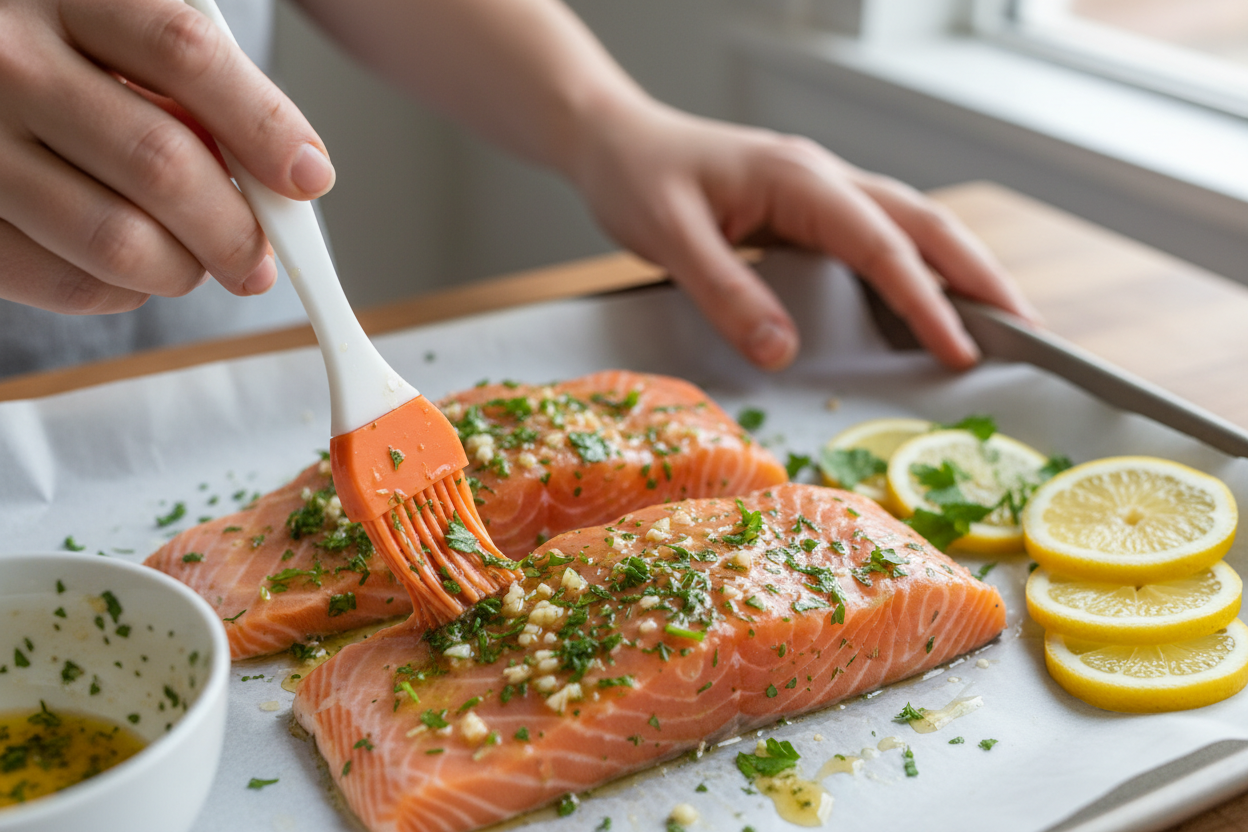
- Make Garlic Butter: In a small, microwave-safe bowl, melt the unsalted butter. Stir in the minced fresh garlic, a squeeze of fresh lemon juice, and about half of your finely chopped fresh dill and parsley. Mix well until everything is fragrant and fully combined.
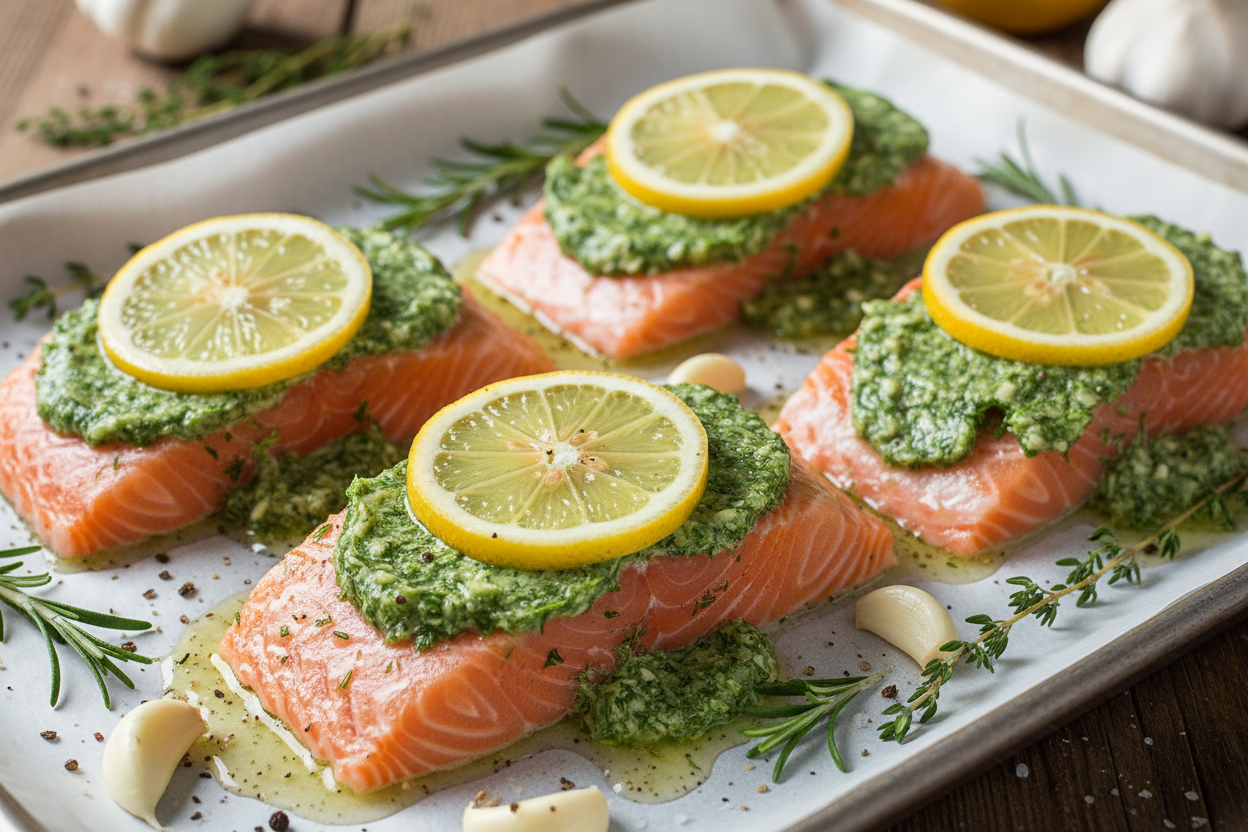
- Coat Salmon: Place the seasoned salmon fillets in the prepared baking dish, ensuring they have a little space between them. Pour the aromatic garlic butter mixture evenly over each fillet, ensuring they are well coated. You can gently rub the butter mixture over the fish with a spoon or brush for maximum flavor distribution.
- Add Lemon Slices: Thinly slice the remaining lemon and artfully arrange a few slices directly over and around the salmon fillets. As it bakes, the lemon releases its bright, zesty aroma, infusing the fish with additional citrus notes.
- Bake: Carefully transfer the baking dish to your preheated oven. Bake for 12-18 minutes, depending on the thickness of your salmon. Start checking for doneness around the 12-minute mark for a typical 1-inch thick fillet. The salmon should be opaque throughout and flake easily with a fork when gently tested.
- Rest & Serve: Once cooked to perfection, remove the salmon from the oven. Garnish with the remaining fresh dill and parsley for a burst of color and herbaceous freshness. Allow it to rest for just 2-3 minutes before serving. This brief resting period allows the juices to redistribute, ensuring an even more moist and tender result.
Flavor Variations and Add-Ins
While the classic lemon herb salmon with garlic butter is simply divine, there are endless ways to customize your baked salmon recipe. Don’t be afraid to experiment and make it uniquely your own! Here are a few ideas to spark your culinary creativity:
- Sweet & Spicy: For a delightful balance of flavors, whisk a tablespoon of honey or maple syrup into your garlic butter mixture, along with a pinch of red pepper flakes. The sweet glaze caramelizes beautifully during baking, perfectly complementing the rich salmon.
- Mediterranean Flair: Elevate your salmon by adding diced cherry tomatoes, pitted Kalamata olives, and crumbled feta cheese directly to the baking dish alongside the fillets. Drizzle with a little extra virgin olive oil before baking for a vibrant, savory, and healthy twist.
- Asian Inspired: Before baking, brush the salmon with a savory and aromatic mixture of low-sodium soy sauce (or tamari for gluten-free), freshly grated ginger, a dash of sesame oil, and a splash of rice vinegar. Garnish with toasted sesame seeds and thinly sliced green onions after cooking.
- Creamy Dijon: For a tangy and sophisticated flavor, mix a tablespoon of good quality Dijon mustard into your garlic butter. The tangy, pungent mustard adds a wonderful depth of flavor that pairs exceptionally well with the richness of salmon.
- Smoky Paprika & Cumin: For an earthy warmth, sprinkle a generous amount of smoked paprika and a pinch of ground cumin over the salmon along with the salt and pepper before adding the butter. It adds a lovely smoky aroma and a beautiful, rustic color.
What to Serve with Baked Salmon
A perfectly cooked oven baked salmon deserves equally delicious accompaniments. Pairing it with the right sides can transform your meal into a complete, balanced, and satisfying feast. Here are some of my favorite suggestions for an unforgettable easy salmon dinner experience:
- Roasted Asparagus: A classic and simple pairing. Toss fresh asparagus spears with olive oil, salt, and pepper, then roast them alongside the salmon during the last 10-15 minutes of cooking.
- Garlic Parmesan Roasted Broccoli: Similar to asparagus, fresh broccoli florets roast beautifully, developing a slight char and absorbing all the delicious garlicky flavors.
- Quinoa or Brown Rice: For a hearty and nutritious base, a simple side of fluffy quinoa or nutty brown rice is excellent for soaking up all those flavorful pan juices and completing the meal.
- Fresh Green Salad: A crisp, light salad with a bright vinaigrette dressing provides a refreshing contrast to the richness of the salmon. Think mixed greens, tender cucumbers, and sweet cherry tomatoes.
- Lemon Herb Roasted Potatoes: Cubed Yukon Gold or red potatoes tossed with olive oil, fresh rosemary, and lemon zest, roasted until they’re golden brown and wonderfully crispy on the outside, fluffy inside.
- Couscous with Roasted Vegetables: A quick and flavorful side, especially if you mix in some colorful roasted bell peppers, tender zucchini, and sweet red onion.
Storage and Reheating Tips
Leftover baked salmon recipe is a delicious bonus, perfect for quick lunches or another simple dinner. Proper storage and reheating are key to maintaining its quality and ensuring that beloved flaky salmon fillet texture you worked so hard to achieve.
Storage: Once your salmon has cooled completely to room temperature (this is important to prevent condensation and sogginess), transfer any leftover salmon to an airtight container. Store it promptly in the refrigerator for up to 2-3 days. While it might be safe to eat beyond this, the quality and fresh flavor will diminish quickly.
Reheating: The biggest challenge with reheating salmon is preventing it from drying out, which can happen very easily.
- Oven Method (Recommended): This is the best way to revive your salmon without sacrificing moisture. Preheat your oven to a very low temperature, around 275°F (135°C). Place the salmon in an oven-safe dish, add just a splash of water or a teaspoon of broth to the bottom of the dish, and cover tightly with foil. Heat for about 10-15 minutes, or until just warmed through. The foil and liquid create a steamy environment, keeping the fish wonderfully moist.
- Microwave Method (Use with caution): While undeniably quick, the microwave can easily dry out and overcook salmon. If you must use it, place the salmon on a microwave-safe plate, add a tiny splash of water, and cover loosely with a damp paper towel. Reheat in short bursts (30-60 seconds at a time) at a lower power setting until just warm.
- Enjoy Cold: Cold leftover salmon is surprisingly versatile and delicious! It’s fantastic flaked over a fresh green salad, mixed into a flavorful salmon salad sandwich, or gently folded into cold pasta dishes. It’s a great way to enjoy your leftovers and avoid reheating altogether.
Frequently Asked Questions (FAQs)
Here are answers to some common questions about preparing the perfect oven baked salmon, ensuring you get it right every time:
Should I leave the skin on or take it off?
This is entirely a matter of personal preference and can depend on how you plan to serve the salmon! Leaving the skin on your salmon fillet during baking can actually help to protect the delicate flesh from drying out, acting as a natural barrier against the direct heat of the oven. The skin also becomes wonderfully crispy and delicious when baked, especially if you ensure it gets direct heat or finish with a quick broiler. If you’re not a fan of crispy skin, you can easily remove it after cooking, as it will separate much more easily from the cooked fish. For those who prefer no skin, you can always ask your fishmonger to remove it for you, or gently slice it off yourself with a sharp knife before cooking.
How do I tell when salmon is perfectly cooked?
The key to a truly magnificent flaky salmon fillet is knowing precisely when to pull it from the heat. Overcooked salmon can quickly become dry and tough, so vigilance is important. Here’s what to look for:
- Opacity: The raw, translucent red-orange flesh of salmon will turn opaque and a lighter pink as it cooks. You want it to be opaque throughout the thickest part of the fillet, but still moist-looking, not dry.
- Flakiness: Gently insert a fork into the thickest part of the salmon and twist slightly. If the flesh separates easily into tender flakes, it’s done. If it resists or looks raw and dark in the center, give it a few more minutes in the oven.
- Internal Temperature: For the most precise measurement, which I highly recommend, use an instant-read thermometer. Insert it into the thickest part of the fillet, avoiding the bone if present. The FDA recommends an internal temperature of 145°F (63°C). Remember that the fish will continue to cook slightly after it’s removed from the oven (carry-over cooking), so you can even pull it off at 140-142°F (60-61°C) for a perfectly moist and tender result.
Oven Baked Salmon Recipe Card
Here’s your convenient recipe card for this delicious and easy garlic butter salmon, perfect for quick reference!
- Prep time: 10 minutes
- Cook time: 12-18 minutes
- Yield: 2-4 servings
Ingredients:
- 2 (6-8 ounce) salmon fillets, about 1-inch thick, skin-on or off
- 1 tablespoon olive oil
- 1/2 teaspoon fine sea salt
- 1/4 teaspoon freshly ground black pepper
- 3 tablespoons unsalted butter, melted
- 3 cloves garlic, minced
- 1 tablespoon fresh lemon juice
- 2 tablespoons fresh dill, chopped, divided
- 2 tablespoons fresh parsley, chopped, divided
- 1/2 lemon, thinly sliced (for garnish and baking)
Instructions:
- Preheat your oven to 400°F (200°C). Lightly grease a baking dish or line a baking sheet with parchment paper.
- Pat the salmon fillets thoroughly dry with paper towels. Season both sides generously with salt and black pepper.
- In a small bowl, combine the melted butter, minced garlic, fresh lemon juice, 1 tablespoon of chopped dill, and 1 tablespoon of chopped parsley. Stir well to combine.
- Place the seasoned salmon fillets in the prepared baking dish. Pour the garlic butter mixture evenly over each fillet, coating them well.
- Arrange the thinly sliced lemon over and around the salmon fillets.
- Bake for 12-18 minutes, depending on the thickness of your fillets, until the salmon is opaque throughout and flakes easily with a fork (internal temperature 145°F / 63°C).
- Remove from the oven, garnish with the remaining 1 tablespoon of fresh dill and 1 tablespoon of fresh parsley. Let rest for 2-3 minutes before serving to allow juices to redistribute.
Enjoyed this recipe? Want more delicious, easy-to-follow meal ideas and culinary inspiration delivered right to your feed? Be sure to follow my Facebook page for daily updates, cooking tips, and behind-the-scenes glimpses! Find me at https://www.facebook.com/profile.php?id=61568538666337.
Oven Baked Salmon with Herbs and Lemon
Ingredients
- 4 fillets Salmon fillets 6 oz each, skin-on or skinless
- 3 tbsp Butter Melted
- 3 cloves Garlic Minced
- 1 whole Lemon Sliced
- 2 tbsp Fresh dill Chopped
- 2 tbsp Fresh parsley Chopped
- 1 tsp Salt
- 1/2 tsp Black pepper
Instructions
- Preheat your oven to 400°F (200°C) and line a baking sheet with parchment paper or aluminum foil.
- Pat the salmon fillets dry with a paper towel and place them skin-side down on the prepared baking sheet.
- In a small bowl, whisk together the melted butter, minced garlic, chopped fresh dill, chopped fresh parsley, salt, and black pepper.
- Brush the garlic herb butter mixture evenly over each salmon fillet, ensuring the tops are completely coated.
- Arrange the fresh lemon slices on top of and around the salmon fillets on the baking sheet.
- Bake in the preheated oven for 12 to 15 minutes, or until the salmon is opaque in the center and flakes easily with a fork. The internal temperature should reach 145°F (63°C).
- Remove from the oven, garnish with extra fresh herbs if desired, and serve immediately.
For more daily recipes and tips, follow us on Facebook!
Click here to join our community!